


Bad Fuel Pump Symptoms
Your car cranks longer than usual before starting. The engine stutters unexpectedly on the highway. These frustrating moments often point to a single culprit: a failing fuel pump. Catching bad fuel pump symptoms early can save you from being stranded and prevent costly engine damage.
This guide walks through the warning signs that tell you your fuel pump needs attention, helping you understand what’s happening under the hood and when to seek professional help.
What Is a Fuel Pump and How Does It Work?
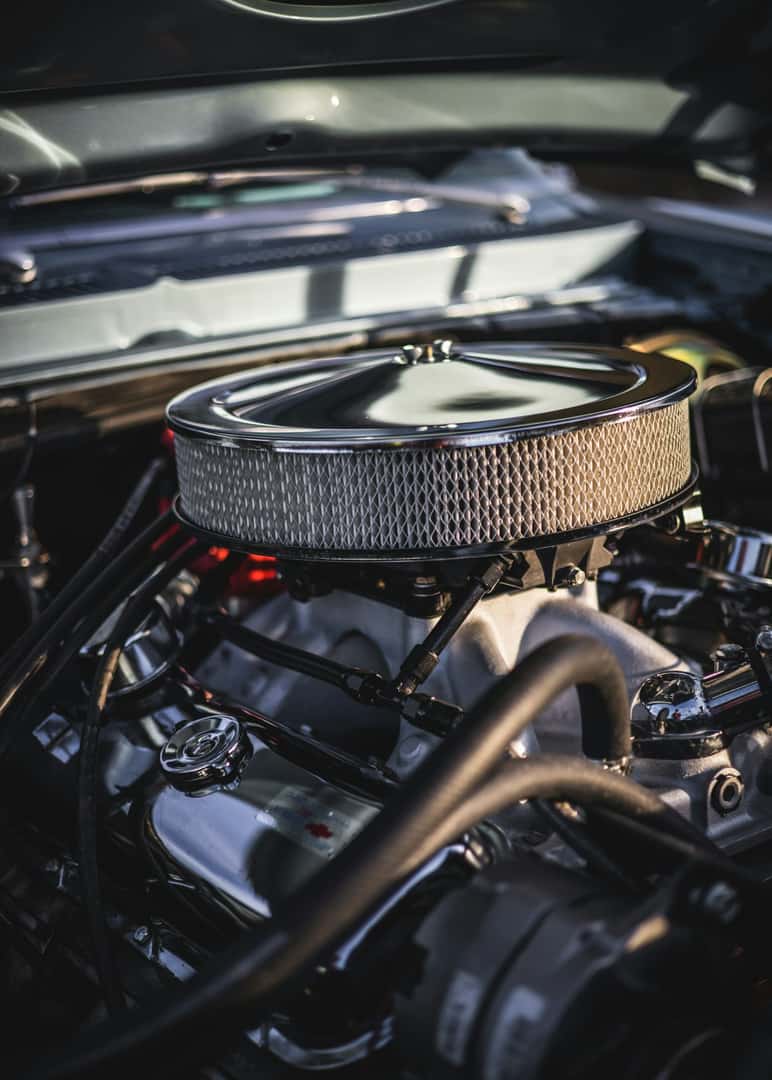
The fuel pump acts as your engine’s lifeline, moving gasoline from the tank to the combustion chamber. Most modern vehicles use electric fuel pumps mounted inside the fuel tank, where they stay submerged in gasoline to keep cool. These complex assemblies pack multiple components into one unit: the fuel level float, level sensor, pressure regulator, fuel level sender, strainers, impeller, and armature all work together.
Here’s how it works. The rotating impeller draws fuel through the filter, pressurizes it to 30-80 psi (what fuel-injected engines need to start and run properly), and sends it to the fuel injectors. Extra pressure returns to the tank via the pressure regulator valve, maintaining steady delivery. This precise pressure gives your engine exactly the right amount of fuel for clean combustion. Without it, the engine runs too lean (not enough fuel) or too rich (too much fuel). Both conditions cause overheating or excessive carbon buildup.
When everything works correctly, you get smooth acceleration, reliable starts, and good fuel economy. The electric design beats older mechanical pumps hands down, reducing vapor lock risk and delivering more consistent pressure across Richmond and Lexington’s changing temperature conditions.
Difficulty Starting Your Engine or Extended Cranking
Extended cranking ranks as one of the most common bad fuel pump symptoms when starting your vehicle. You turn the key, and the engine cranks repeatedly before finally coming to life. This delay happens because the pump can’t build adequate pressure in the fuel lines fast enough. Your engine needs a specific fuel pressure threshold to ignite properly, and a weakening pump struggles to deliver that pressure quickly.
Many drivers first suspect battery problems or a faulty starter when this happens. But if your battery tests fine and the starter motor sounds strong, the fuel pump likely needs attention. The symptom usually appears gradually, with cranking times getting longer over weeks or months.
Temperature makes this worse. Cold mornings in Madison County typically worsen the problem, as fuel gets thicker and the pump works harder to move gasoline through the lines. Summer heat also stresses pump components, causing similar starting difficulties. If you’re dealing with extended cranking, we recommend you schedule your fuel pump inspection before the problem turns into complete starting failure.
Engine Stalling While Driving
Can a fuel pump go out while driving? Absolutely, and when it does, your engine stalls without warning. This dangerous situation happens when the pump suddenly can’t maintain fuel pressure, starving the engine of gasoline mid-drive. The vehicle loses power instantly, leaving you coasting to a stop wherever you happen to be.
Stalling doesn’t always mean complete pump failure. Sometimes a deteriorating pump delivers inconsistent fuel flow, causing random stalls that seem to happen for no reason. Your engine might cut out at a red light, restart after a few minutes, then run fine for days before stalling again.
The danger multiplies when stalling happens at highway speeds or in heavy traffic. Losing power steering and brake assist creates serious safety concerns. Can you drive with a bad fuel pump? Technical issues aside, the safety risks make it a terrible idea. If you’re experiencing stalling, contact our service team immediately. We consider this an urgent safety issue that needs prompt professional attention.
Loss of Power During Acceleration or Under Load
Can a bad fuel pump cause a loss of power? Without question. When you press the accelerator and feel sluggish response, your fuel pump may be struggling to meet increased demand. Acceleration requires more fuel than steady-speed cruising, and a weakening pump can’t supply that extra volume. The engine responds poorly, acceleration feels labored, and you might notice hesitation when passing other vehicles.
This becomes particularly obvious during demanding situations. Climbing steep hills, towing trailers, or carrying heavy loads all increase fuel requirements significantly. A healthy pump adjusts to these demands seamlessly, but a failing one falls short. You might maintain highway speeds on flat roads just fine, then suddenly lose power when the terrain changes or you try to accelerate quickly.
Drivers often describe this as the car “holding back” or “not responding” to throttle input. The engine receives your command to accelerate but lacks the fuel needed to comply. Recognizing fuel pump replacement symptoms like power loss helps you address problems before they get worse.
Engine Sputtering at High Speeds
Engine sputtering at high speeds creates an unsettling driving experience that often signals fuel pump deterioration. The engine jerks, hesitates, or feels like it’s misfiring while you’re cruising at highway speeds. This happens when inconsistent fuel pressure creates irregular fuel delivery to the combustion chambers. Some cylinders get adequate fuel while others run lean, creating that characteristic sputtering sensation.
High-speed driving demands maximum fuel flow, pushing a compromised pump beyond what it can handle. The pump might handle city driving okay but fail to maintain pressure when sustained high speeds require a continuous fuel supply. You’ll notice the engine runs smoothly at lower speeds, then develops issues once you exceed certain RPMs or speeds.
The sputtering often shows up when you try to accelerate at highway speeds. When you press the accelerator to pass another vehicle, the engine sputters instead of responding smoothly. This symptom overlaps with general power loss but has distinct characteristics. The irregular, jerking quality of sputtering differs from the steady weakness you get with simple power reduction.
Whining or Humming Noises Coming from the Fuel Tank
Unusual sounds from your fuel tank area serve as audible warnings of pump problems. A healthy fuel pump operates quietly, producing minimal noise that you can’t hear from the driver’s seat. When you start hearing whining or humming noises coming from the fuel tank (especially when the engine runs or right after starting), your pump is likely wearing out.
These noises result from internal pump components breaking down. Worn bearings, damaged impellers, or general mechanical wear create friction and vibration that produce distinctive sounds. The noise typically gets louder as pump condition worsens. What starts as a faint hum during startup can eventually become a loud, persistent whine you can hear over road noise and music.
Pay attention to when these sounds happen. Noise during initial startup that quickly fades might indicate minor wear. Continuous whining while driving suggests more serious deterioration. Some drivers report the sound gets worse when fuel levels drop below half a tank, as the pump works harder to draw gasoline from a lower level. These acoustic symptoms of a weak electric fuel pump provide a clear warning before complete failure occurs.
Decreased Fuel Efficiency and Unexpected Surging
Can a bad fuel pump cause bad gas mileage? Yes, though the connection isn’t always obvious. When your pump delivers inconsistent fuel pressure, the engine management system struggles to maintain the right fuel mixture. This irregularity forces the engine to work harder and burn more fuel to achieve the same results, noticeably reducing your miles per gallon.
You might find yourself visiting gas stations more frequently despite unchanged driving habits. The fuel gauge drops faster than usual, and your typical tank doesn’t take you as far as before. This inefficiency comes from the engine getting either too much or too little fuel at different times, preventing efficient combustion.
Unexpected surging often accompanies fuel efficiency decline. Your vehicle suddenly accelerates without input, then returns to normal speed. This surge happens when the pump intermittently delivers excess fuel, temporarily flooding the engine. The resulting speed increase feels uncontrolled and potentially dangerous. Surging combined with poor fuel economy creates a distinctive symptom pattern that points directly to fuel pump issues.
Understanding Symptom Severity and Taking Action
Different symptoms require different levels of urgency. We’ve created this comparison to help you understand when to schedule service versus when immediate attention is critical:
| Symptom | Severity | Recommended Action |
| Whining/humming noises from fuel tank | Mild | Schedule an inspection soon |
| Difficulty starting/extended cranking | Moderate | Schedule service within days |
| Decreased fuel efficiency/unexpected surging | Moderate | Professional diagnosis recommended |
| Loss of power during acceleration/under load | Moderate-Severe | Avoid highway driving; schedule promptly |
| Engine sputtering at high speeds | Severe | Limit highway use; immediate service needed |
| Engine stalling while driving | Emergency | Do not drive; seek immediate professional help |
Quick Home Diagnostic Checklist
Before scheduling service, you can safely make these observations to help our technicians diagnose the issue:
- Listen for unusual whining sounds when turning the ignition to “on” position (before starting)
- Note if starting requires multiple attempts or extended cranking
- Track any patterns in when symptoms occur (cold starts, highway speeds, acceleration)
- Monitor fuel economy changes over recent fill-ups
How to diagnose fuel pump problems accurately requires professional equipment and expertise at our Chevrolet service center, but these observations provide valuable information for our diagnostic process.
Schedule Fuel Pump Repair at Jack Burford Chevrolet
Will a bad fuel pump throw a code? Sometimes, but not always. Modern vehicles monitor fuel system performance, and certain pump failures trigger check engine lights. However, gradual pump deterioration often doesn’t generate diagnostic codes until complete failure occurs. Our technicians combine computer diagnostics with hands-on testing to catch problems that onboard systems might miss.
Can I drive with a bad fuel pump safely? The short answer is no. Continuing to operate your vehicle with a failing pump risks being stranded, creates safety hazards from stalling, and potentially damages other engine components. Timely fuel pump repair protects your investment and ensures reliable transportation.
On-Site Service Center
Jack Burford Chevrolet has served Madison County since 1964, bringing over 60 years of automotive service experience to every repair. Our state-of-the-art facility features a 12-bay service area staffed by certified technicians who use manufacturer-specific knowledge and genuine Chevrolet parts. We combine thorough diagnostics with expert installation to ensure your fuel system performs reliably.
Mobile Service Convenience
Can’t easily visit our facility? We bring professional service directly to your home or workplace throughout the Richmond and Lexington areas. Our mobile service option provides the same expert care and quality parts without requiring you to arrange transportation for a vehicle with potential fuel pump issues.
Don’t wait until complete pump failure leaves you stranded. Schedule your inspection today and drive with confidence. You can reach our service department at (859) 623-3350, Monday through Friday from 7:30 AM to 5:30 PM. Whether you visit us in person or take advantage of mobile service, our team ensures your fuel system gets the attention it needs.
Photo by blayne spires on Unsplash

0 comment(s) so far on Bad Fuel Pump Symptoms