


Best Truck for Towing a Horse Trailer in Lexington
If you’re a horse owner in Lexington, you know that hauling your animals safely isn’t something you can take lightly. Having the best truck for towing makes all the difference when you’re navigating Kentucky’s rolling hills with a trailer full of precious cargo. You need a vehicle that can handle our unique terrain and weather conditions, along with giving you complete confidence every time you load up and head out.
Essential Features To Look for in a Truck for Towing Horse Trailers
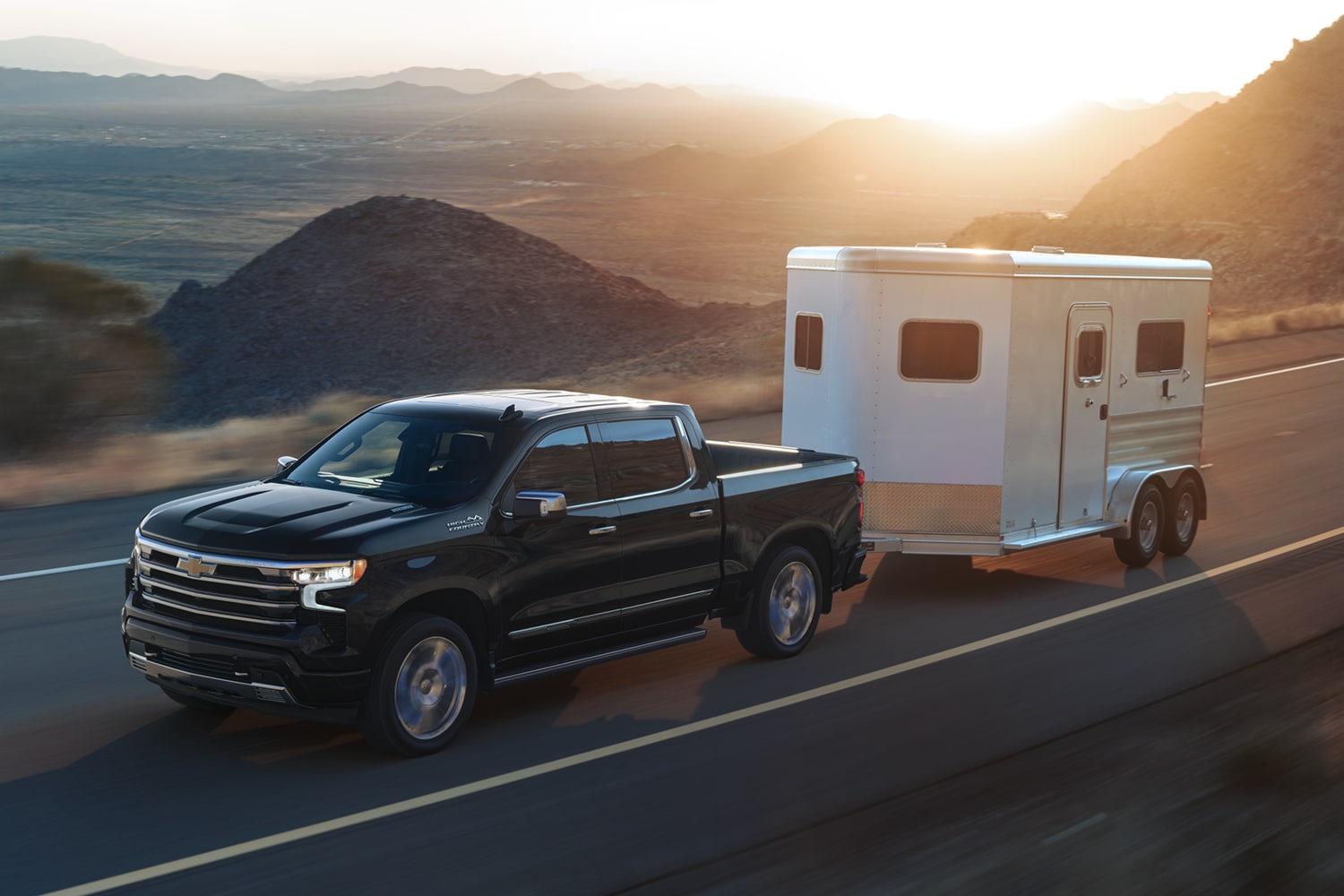
Your truck’s towing capacity needs to match your trailer’s size. Experts recommend a minimum towing capacity of 5,000 pounds for small horse trailers. Remember to estimate the weight of the horses plus the weight of the trailer itself. Larger multi-horse trailers or those with living quarters may require towing capabilities of 14,000-22,800 pounds or more. Towing capacity is more than engine power — your vehicle’s transmission, chassis, and brake systems all work together to determine what you can safely pull.
Engine torque matters more than raw horsepower when you’re climbing Kentucky’s hills with horses in tow. Look for trucks that deliver strong torque at lower rpm — this keeps your power consistent when you need it most. Your transmission should include tow/haul modes and grade braking that automatically adjust shift patterns for heavy loads. Safety tech such as trailer sway control, blind-spot monitoring, and stability systems are lifesavers on winding Lexington roads, especially when you’ve got valuable animals on board.
Kentucky law is specific about braking requirements. Trailers weighing 3,000 pounds or more must have independent braking systems that can stop within 40 feet at 20 mph on level ground. Professional brake controller installation costs $100-$300, with total costs reaching $160-$600, including the controller and wiring harness. State regulations also cap trailer width at 8.5 feet, height at 13.5 feet, and combined vehicle-trailer length at 65 feet.
Heavy towing puts extra stress on your truck, so maintenance schedules are more demanding — you’ll need to check your trailer brakes every three to six months, inspect the wiring every six to 12 months, and get a comprehensive service every 10,000-12,000 miles.
Lexington Terrain Considerations: Why Location Matters
Kentucky’s Bluegrass region isn’t flat farmland and will test your truck every time you haul. You need low-end torque and proper gear ratios to maintain safe speeds while climbing grades with a loaded trailer. Winter weather here can turn dangerous quickly, with ice and snow creating hazardous conditions that demand excellent traction control and sufficient ground clearance.
Lexington sits right at the heart of America’s horse industry, which means you’re probably making regular trips to shows, breeding facilities, and veterinary clinics throughout the region. Highway driving combined with miles of rural roads requires a truck that performs well in both environments — something that can cruise comfortably at 70 mph but also handle tight farm lanes and gravel drives.
Rear impact collisions cause many horse trailer accidents, and that’s why having proper safety equipment is necessary. Regional trailer preferences can vary — Western states such as Texas and Oklahoma favor step-up trailers, while East and West Coast areas prefer ramp designs. Diesel engines often work better for Kentucky’s terrain because they deliver superior torque at lower rpm, giving you more pulling power when you need it most.
Chevrolet Silverado
The Silverado lineup gives horse owners in Lexington several options, whether you’re looking at the 1500 or stepping up to the 2500 models. The Silverado HD comes in 2500HD and 3500HD configurations with base prices of $45,300-$46,500.
The Silverado 2500HD with the 6.6-liter V-8 L5P Turbo-Diesel pumps out 470 horsepower and 975 pound-feet of torque. That power is channeled through an Allison-branded 10-speed automatic transmission that’s built for heavy work. To max out the 22,500-pound towing capacity, you’ll need the diesel engine, a regular cab, the NHT trailering package, and four-wheel drive. The 3500HD can pull up to 36,000 pounds when properly equipped with the gooseneck hitch and the NHT package. Fuel economy with the diesel engine averages about 14 mpg in the city and 17 mpg on the highway.
Chevrolet Colorado
The midsize Colorado can work for some horse trailer applications, but it comes with important limitations. While you’ll love the fuel efficiency—19 mpg in the city and 23 mpg on the highway—the Colorado’s towing capacity restrictions become problematic for larger trailers or multiple horses. This truck shines with single-horse trailers or smaller two-horse setups, but it falls short of the recommended minimums for serious horse hauling.
Compared to full-size trucks, the Colorado offers better maneuverability around tight spaces and a lower purchase price. However, towing capacity differences between truck categories matter significantly for horse hauling. The Colorado’s best for occasional light-duty hauling rather than the regular heavy-duty transportation most Lexington horse owners need.
Find Your Perfect Towing Truck
Working with a local Chevrolet dealer who understands horse owners’ needs in the Lexington area gives you access to expert guidance and ongoing support. Our knowledgeable team at Jack Burford Chevrolet can help you navigate the technical specifications, legal requirements, and maintenance considerations that come with heavy-duty towing applications. Visit our dealership today to explore our complete inventory of towing-capable trucks and speak with specialists who understand the unique demands of towing in Kentucky’s horse country.
Image courtesy of Chevrolet

0 comment(s) so far on Best Truck for Towing a Horse Trailer in Lexington