


Chevy Traverse Reliability
Three-row SUVs are great for large families and for anyone needing more than the usual five seats in their vehicles. They’ve largely overtaken minivans as the vehicle of choice for these categories of drivers. Their ruggedness and reliability are also major factors in their popularity, especially in an area with such a diverse climate as Richmond, KY.
The Chevrolet Traverse is a leading example of a three-row SUV that provides ample interior space for people and their cargo, without compromising on other aspects that make SUVs popular. It’s been around since 2009 and, while every model year is a great choice for a used SUV, it helps to know the most commonly encountered reliability issues and how Chevy has improved them over the years.
Chevy Traverse Reliability History: Years to Buy
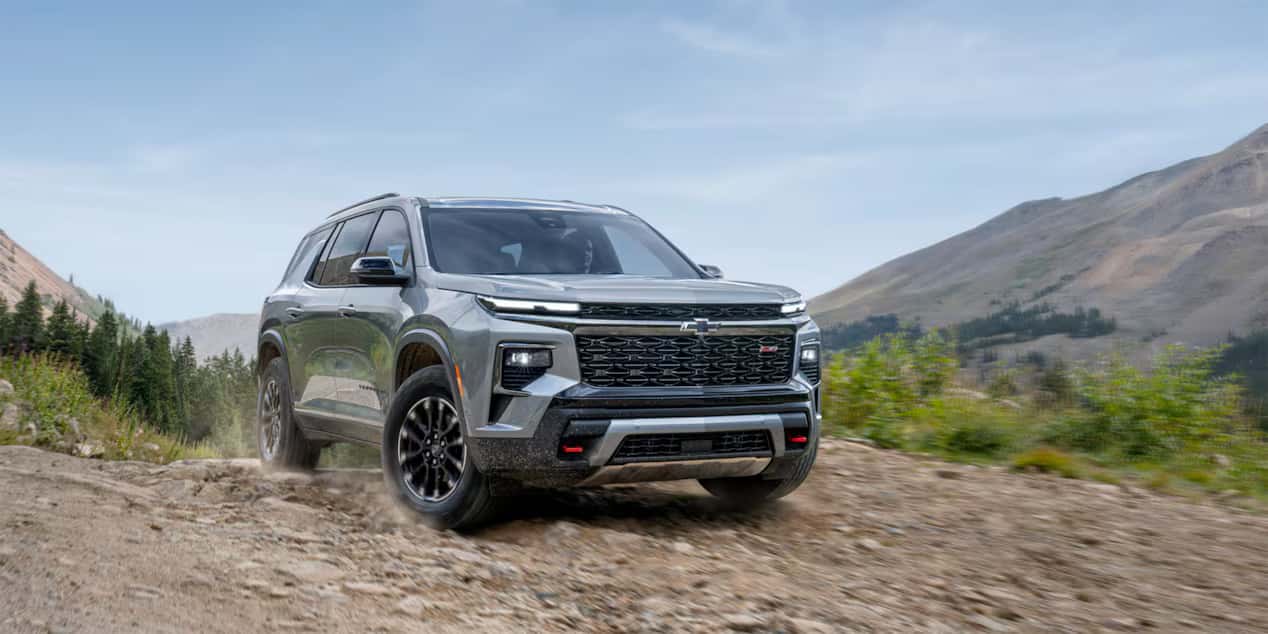
We’ll start by going over different Traverse generations and model years. The current model is part of the third generation, which was first introduced in 2024.
First Traverse Generation (2009-2017)
A first-generation Traverse is a great choice for large families on a budget. It can provide up to eight seats and plenty of cargo space. However, as with any beginning, the first models had issues that needed to be resolved. The 2009-2012 models struggled with transmission, steering, timing chain, and engine issues. The 2009 model, in particular, had many recalls, and drivers reported random issues like sluggish gear shifts and timing chain failures.
Chevrolet took notice of all the reported issues, and the 2013 model received a facelift that not only refreshed its design but also resolved many of the issues that early models had faced. There were significantly fewer customer complaints, and aside from minor HVAC issues and minor transmission complaints, there were no serious concerns. The 2017 model is particularly regarded as one of the most reliable, having benefited from five years of customer feedback.
Second Traverse Generation (2018-2023)
As with many redesigned models, the first year of the Traverse’s second generation experienced some reliability issues. However, they were much less frequent and serious than the previous generation’s first year. It was also fully redesigned, had an all-new interior, and was based on a different platform than the first generation. The 2020 model also faced some reliability issues, but they were quickly addressed, and reliability scores significantly went up starting with the 2021 model.
Third Traverse Generation (2024-)
The current Chevrolet Traverse is part of its third generation, which was first introduced in 2024. It was fully redesigned, and a more agile and efficient four-cylinder turbo replaced the classic V-6 engine. Despite a new powertrain and a long list of added tech features, the new Traverse had strong reliability scores from the get-go. While it’s too early to tell how well it will run after multiple years on the road, early scores and predictions indicate strong reliability and quality ratings for the 2025 model.
Maintenance Costs and Ownership Expenses
While the exact maintenance and ownership costs depend on many factors, we can estimate how much a Traverse is likely to cost you over the years. Fuel, insurance, and depreciation significantly vary from one driver to another. General maintenance costs are less than $1,000 per year, including brake service, oil changes, filter replacements, and minor repairs. As you would expect, older models generally encounter more frequent unexpected repairs, so it helps to be prepared for that.
Long-Term Reliability: Expected Lifespan and Resale Value
The average lifespan of a Chevy Traverse is around 200,000 miles, with proper maintenance. This means that the average driver will use a Traverse for over 15 years with no major issues. However, there’s no reason why it won’t last even longer than that if you perform all maintenance operations at a licensed dealership and take proper care of it.
As with most other vehicles, the Traverse experiences steep depreciation during its first years on the road, losing up to half its value in the first five years. This is a great opportunity to find one at a great price on the second-hand market.
Who Should Buy the Traverse?
While there’s no reason why anyone shouldn’t buy and enjoy driving a Traverse, its size makes it more suitable for particular types of drivers. The most common buyer type is a driver with a large family, who needs seven or eight seats to fit everyone in. It’s also ideal for carpooling, as the third row isn’t just big enough for kids like in many other three-row models.
Also, given the fact that the Traverse has almost 100 cubic feet of cargo space with its seats folded down, it’s great for drivers who regularly haul lots of cargo. This could mean sporting gear, tools, or equipment. Those who value space but also enjoy light off-road adventures may also value the Traverse, as it has the ruggedness and stability to work well on rough surfaces. Given its excellent price for both used and new models, it’s a vehicle that anyone can enjoy for many years to come.
Tips for Maximizing Your Traverse’s Reliability
Some things you can do to keep your Traverse in great shape for many years to come include:
- Follow its maintenance schedule. Perhaps the most important thing you can do to keep your Traverse running well for years is to follow the manufacturer’s recommended maintenance schedule.
- Top up all fluids. Always make sure it has enough oil, transmission fluid, brake fluid, power steering fluid, and coolant.
- Protect its exterior. Make sure to protect the body and undercarriage by cleaning it regularly, especially during those cool Richmond winters.
Find your Ideal Traverse at Jack Burford Chevrolet
The Chevy Traverse is a great choice for a vehicle, both new and used. In both cases, the best place to get it is from a respected dealership like Jack Burford Chevrolet, which only sells vehicles in good condition. You can also count on us when you need maintenance and repair operations later on. Contact us today or come see our inventory.
Image courtesy of Chevrolet

0 comment(s) so far on Chevy Traverse Reliability