


Common Causes of Chevy Silverado Oil Leaks and When to Get Service
 A drop of oil on your garage floor doesn’t mean your truck is falling apart. It usually means a gasket or seal has finally worn out after years of service. An oil leak in your Chevy Silverado can be concerning, but many causes are straightforward to diagnose and repair. Our Richmond service team regularly helps Silverado owners identify leaks, understand their severity, and determine the right next steps.
Whether you’re prepping for a haul through Central Kentucky or just noticed a spot under your truck at home, understanding what’s going on under the hood helps you make the right call. If you’d rather skip ahead and get eyes on the problem, you can schedule in-shop service with our team right now.
Why Is My Chevy Silverado Leaking Oil?
A Silverado oil leak usually comes down to a gasket that’s no longer sealing the way it should. These parts sit under constant heat and vibration every time the engine runs, and over years of driving, that wear adds up. Rubber and composite gaskets harden and crack, metal seals lose their spring tension, and connections that were torqued down correctly at installation can loosen slightly over tens of thousands of miles.
It’s the normal outcome of a hardworking engine putting in years of service, the same story we see across high-mileage trucks regardless of make. Sometimes the cause is even simpler, like an oil filter that wasn’t seated correctly during a recent oil change. Figuring out which component is behind your leak is the first step toward a lasting fix.
Common Causes of Oil Leaks in the Chevy Silverado
A handful of parts show up again and again as the source of a 5.3L Vortec oil leak. Knowing which one you’re dealing with helps set expectations for repair time and complexity.
These leak sources compare like this:
| Leak Source | Typical Cause | Leak Location | DIY-Friendly? | Repair Complexity |
| Valve Cover Gasket | Heat and vibration cause cracking | Top of engine | Somewhat | Low to moderate |
| Oil Pan Gasket | Heat/pressure cycling, impact, or corrosion | Underneath engine | No | Moderate |
| Front/Rear Main Seal | Age-related wear on rotating seal | Front timing area or rear near transmission | No | High |
| Oil Filter | Loose install or old gasket left in place | Side of engine block | Yes | Low |
| Oil Filter Adapter/Cooler Lines | Corrosion and age on lines/fittings | Near oil cooler and adapter | No | Moderate |
Worn Valve Cover Gaskets
The valve cover gasket sits on top of the engine, sealing the cover that protects the valve train. Heat and vibration make this gasket brittle over time, and once it cracks, oil seeps out and pools on top of the engine. A burning oil smell can be an early warning sign, though it isn’t exclusive to this component and is worth checking alongside other symptoms. This is one of the most common leak points we see on Silverados that have racked up serious mileage.
Failing Oil Pan Gasket or Cracked Oil Pan
The oil pan gasket seals the pan that holds your engine’s oil supply. Constant heat and pressure cycling wear this gasket down over years of use. The pan itself can also crack from a curb strike, road debris, or corrosion setting in over time, and either failure can lead to steady oil loss if it isn’t caught.
Leaking Front or Rear Main Crankshaft Seals
Front and rear main seals keep oil contained where the crankshaft passes through the engine block. The rear main seal leaks near where the engine meets the transmission, an area that’s hard to see without getting underneath the truck. These seals sit deep in the engine, so a rear main seal repair is usually the toughest and most labor-intensive job on this list.
GM’s own technical bulletins point out that some rear cover leaks on aluminum blocks trace back to minor porosity in the casting itself rather than the seal failing outright, another reminder that this is a wear and manufacturing reality, not a design flaw.
Loose or Damaged Oil Filter
An oil filter that wasn’t tightened properly, or one installed with the old gasket still stuck to the mounting surface, can seep oil or even blow out under pressure. A proper install includes smearing a light coat of oil on the new gasket before threading it on, a small step that makes a big difference.
Deteriorated Oil Filter Adapter or Cooler Lines
The oil filter adapter and the cooler lines that carry oil to and from the cooler are common leak points as well. On a 5.3L Vortec, the pan gasket, sending unit, valve cover gasket, and the rear cover and flywheel area round out the usual suspects. Cooler lines corrode and start seeping with age, much like any rubber or metal line exposed to heat cycles for years.
Where Silverado Oil Leaks Typically Show Up
Knowing where a leak shows up helps narrow down which part is involved before a technician even puts the truck on a lift.
Front and Rear Engine Leaks
A front timing cover seal leak usually appears as oil near the timing chain area, toward the front of the engine. A leak near the transmission or crank pulley points toward the rear main seal, one of the trickier leaks to diagnose visually since it’s tucked between the engine and transmission.
Leaks Underneath the Oil Pan
Leaks from the oil pan or drain plug tend to leave visible stains directly beneath the vehicle, making them easier to spot than seal leaks. Still, oil has a way of traveling along the underside of the engine before it drips, so the visible spot isn’t always right above the actual source. Our technicians clean the suspected area with degreaser, inspect it with a flashlight, and sometimes apply talcum powder to trace exactly where the oil originates before starting any repair.
How to Tell If It’s Really an Oil Leak
Not every drip under a truck is what it seems. Plastic underbody trays and skid plates on the Silverado can hide an active leak from view, so a clean-looking driveway doesn’t always mean you’re in the clear. Watch instead for a dropping oil level, a burning smell, or smoke curling out of the engine bay.
Fluid color is your best clue if you do spot a puddle. Fresh engine oil runs amber and thin. As it ages, it turns dark brown or black, gets thicker, and carries a distinct petroleum smell. Transmission fluid is red and noticeably thinner, coolant runs green, orange, or pink, and A/C condensation is just clear water, nothing to worry about. If you’re still unsure, park on a clean, flat surface and slide a piece of cardboard underneath overnight. Whatever collects will tell you a lot. It’s also worth keeping an eye on your oil pressure gauge and watching for a check engine light, since either can signal a leak before it’s visible at all.
A few quick signs worth checking in your own driveway:
- Fresh dark spots on the pavement where you regularly park, paired with a low oil warning light on the dash.
- A burning oil smell after the engine has been running.
For the simple stuff, like checking your oil level, making sure the filler cap seal is seated, or snugging up a loose filter, you can handle it yourself. But once you’re talking about a rear main seal or an oil pan gasket, it’s worth letting a certified technician handle it rather than working blind underneath the truck. If you’re not sure which category your leak falls into, send us a message through our contact form before you decide.
The Risks of Ignoring a Silverado Oil Leak
A small drip today doesn’t stay small forever, and putting off a repair carries real risk.
Engine Damage and Costly Repairs
Dropping oil levels mean less lubrication for moving parts, which increases internal friction and heat. Left unchecked, that can lead to overheating and, in worst cases, engine seizure or catastrophic failure. What starts as a gasket replacement can turn into a full engine repair if the leak runs long enough.
Fire Hazards and Safety Concerns
Oil dripping onto hot components like the exhaust manifold can ignite, turning a maintenance issue into a genuine safety hazard. Leaking oil also raises environmental concerns wherever it collects, whether that’s your driveway or a parking lot.
Reduced Resale and Trade-In Value
When it’s time to trade in, appraisers look closely at maintenance history, overall condition, and whether OEM parts were used in past repairs. A Silverado with a documented history of leaks addressed promptly tends to hold value much closer to its estimate than one with an ongoing, ignored leak.
Preventing Future Oil Leaks
Most leaks are easier to prevent than to repair, and a little consistency goes a long way.
Following Recommended Oil Change Intervals
GM recommends oil changes on the Silverado 1500 every 7,500 miles, paired with a tire rotation, an oil-life system reset, and a Multi-Point Vehicle Inspection (MPVI). If you miss that window, try to schedule service as soon as you reasonably can.
Worth knowing: idling adds wear that the Oil Life Monitoring System accounts for even when the odometer isn’t moving much, so trucks that idle a lot for work still need attention on schedule. If you tow frequently or drive in tough conditions, common in parts of Kentucky with steep grades and seasonal temperature swings, follow your Oil Life Monitoring System (OLS) rather than the mileage number alone, since it accounts for how the truck is actually used. Overfilling the engine can also create its own leaks, pushing oil past the filler cap or gaskets under excess pressure, so more isn’t always better.
Routine Gasket and Seal Inspections
Catching a weakening gasket during a routine inspection is far cheaper and simpler than waiting for it to fail outright. Our technicians check the oil filler cap seal first during any leak diagnosis, since it’s a simple, easy fix that rules out a more complex source before further digging begins.
Get Your Silverado’s Oil Leak Fixed at Jack Burford Chevrolet
Jack Burford Chevrolet has been family-owned since 1964, and we’ve spent that time serving Silverado owners in Madison County, Richmond, Lexington, Winchester, London, and Berea. Our certified technicians are factory-trained and use genuine GM OEM parts on every repair, so you know the fix is built to last, not just patch the symptom.
Schedule In-Shop or Mobile Repair Service
If your schedule doesn’t allow for a shop visit, our MobileService+ sends a factory-trained technician to your home or workplace in a fully equipped van for diagnostics and select repairs. For jobs that need full shop equipment, we can arrange dealership pickup with a loaner vehicle so you’re never stuck without a truck.
Ready to get started? Schedule your service appointment or learn more about our mobile service option.
Explore Trade-In and New Silverado Options
If a leak has turned into a bigger, ongoing issue, it might be time to weigh a trade-in against continued repairs. Our team can walk you through a trade-in value estimate based on your truck’s maintenance history and condition. And if you’re ready for something new, take a look at the current Silverado 1500 lineup, or if you need serious towing capability, the Silverado 2500HD‘s base gas engine delivers 401 horsepower, 464 lb-ft of torque, and up to 18,700 lbs of towing capacity when properly equipped.
Have questions before you book anything? Reach out through our contact form and we’ll help you figure out the right next step.
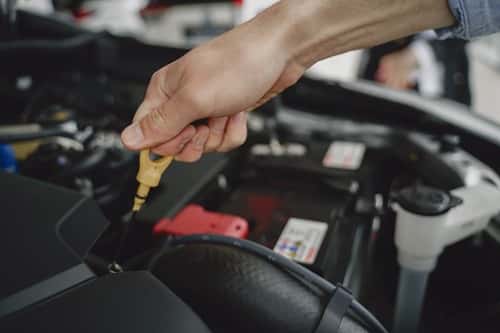
Photo of a hand checking oil dipstick in a car engine bay for maintenance and diagnostics by Gustavo Fring is licensed with Pexels License.

0 comment(s) so far on Common Causes of Chevy Silverado Oil Leaks and When to Get Service