


History of Horse Racing in Lexington, KY
Long before Lexington earned its title as the Horse Capital of the World, settlers were already racing horses through what would become downtown streets. The history of horse racing in Lexington KY spans nearly 250 years, starting with informal quarter-mile sprints around 1780 and growing into the sophisticated thoroughbred industry that defines the region today. This story weaves through revolution, innovation, social change, and the unique geography that makes Kentucky’s Bluegrass Region unlike anywhere else on earth.
The Birth of Horse Racing in Lexington: 1789-1820s
William Whitley and Kentucky’s First Circular Track
The story of American horse racing takes an unexpected turn at Crab Orchard, roughly 40 miles south of Lexington, near Crab Orchard, where William Whitley built one of the country’s first clay racetracks in the late 1780s. Whitley made a decision that would echo through centuries of American racing. He designed his track to run counterclockwise, allegedly as a deliberate protest against the English tradition of clockwise racing. Whether driven by revolutionary spirit or practical considerations, this choice became the standard for American racing.
The shift from European traditions didn’t stop at directional choices. American races embraced dirt surfaces and longer distances compared to the shorter grass sprints popular across the Atlantic. These adaptations suited the hardy breeds developing in Kentucky’s limestone-rich soil, where horses seemed to grow stronger bones and more powerful muscles than their counterparts elsewhere.
Early Racing Culture in the Bluegrass Region
By 1789, Lexington formalized its racing enthusiasm with the first organized meet at The Commons. That same year, local leaders including Henry Clay formed the Kentucky Jockey Clu Early Lexington racing was raw and democratic. Horses outnumbered people in the settlement, and racing happened wherever space allowed. Straight quarter-mile sprints along what is now South Broadway gave way to more organized events as the community grew.
The Bluegrass Region’s advantages became apparent quickly. The limestone bedrock enriched the soil and water with calcium, producing horses with exceptional bone density. Racing wasn’t just entertainment but a proving ground for breeding stock, where speed and stamina determined which bloodlines would shape the future.
The Golden Age: Lexington’s Rise as a Racing Hub (1820s-1900)
The Kentucky Association Track Era
When the Kentucky Association Track opened in 1828 on Lexington’s east end, it represented something entirely new in American racing. The 1859-1862 broadsides preserved at Keeneland Library document how this wasn’t another informal gathering spot. The Kentucky Association established the first thoroughbred racetrack with written rules and a governing board, bringing European-style organization to American racing.
The track launched several stakes races that became cornerstones of American racing. The Phoenix Stakes began in 1831 and holds the distinction of being the oldest continuously run stakes race in the United States. The Blue Grass Stakes followed in 1911, eventually becoming a key prep race for the Kentucky Derby. These events drew horsemen from across the growing nation, establishing Lexington as the center of American thoroughbred racing.
The Civil War’s Impact and Recovery
The Civil War disrupted racing throughout Kentucky, with tracks closing and breeding operations struggling to survive. Lexington’s position in a border state created particular challenges. Loyalties divided and resources became scarce. Many of the finest horses were confiscated for military use.
Post-war recovery transformed the industry. Racing resumed with renewed energy, and the Kentucky Association Track reopened to large crowds. This resilience demonstrated racing’s deep roots in Lexington culture and showed a tradition the community refused to abandon.
Legendary Horses and Horsemen from Lexington’s Past
Isaac Murphy: From Slavery to Racing Immortality
Isaac Burns Murphy’s story illuminates both the possibilities and contradictions of post-Civil War America. Born in 1861 to enslaved parents, Murphy achieved his first major victory on September 15, 1875, at Crab Orchard. According to Filson Historical Society historians, this win launched a career that would establish him as one of the greatest jockeys in American history, at a time when Black jockeys dominated the sport.
Murphy’s success came through extraordinary skill and strategic thinking. He won three Kentucky Derbies and maintained winning percentages that remain impressive by modern standards. His achievements opened doors for other Black jockeys, including Jimmy Winkfield, who started his career at the Kentucky Association venue in 1898.
The subsequent decline of Black jockeys in racing makes Murphy’s legacy even more significant. They were pushed out by the early 20th century’s increasing racial restrictions. Murphy proved that talent transcends the barriers society erects, even when those barriers eventually restricted others from following his path.
Champion Horses with Lexington Roots
The stallion Lexington, born in the city that shares his name, became the greatest 19th-century American thoroughbred. He shattered the world speed record for a four-mile race and served as America’s leading sire sixteen times. Thoroughbred Heritage archives document his bloodlines flowing through countless modern champions, making him a genetic cornerstone of American racing.
Man o’ War arrived in Lexington on January 27, 1921, briefly stabled at Edward R. Bradley’s barn at the Kentucky Association Track before beginning his stud career at Hinata Farm under the management of Elizabeth Daingerfield. He later moved to Faraway Farm in May 1922, where he would remain for the rest of his life. Already recognized as one of the greatest racehorses in American history, his presence in Lexington reinforced the city’s status as the destination for champion Thoroughbreds.
The Keeneland Story: From Vision to American Racing Icon
August 1935 marked a turning point when Jack Keene sold 148 acres for $130,000 to a newly formed non-profit organization. Hal Price Headley, Louie Beard, and other prominent horsemen envisioned something unprecedented. They wanted a track that would combine world-class racing with a commitment to breeding sales and industry advancement. On October 15, 1936, Keeneland Race Course hosted its first meeting.
Keeneland’s founders learned from the Kentucky Association Track’s century of experience. They replicated its historic gates and preserved its racing traditions while embracing modern innovations. Operating as a non-profit distinguished Keeneland from commercial tracks, allowing it to prioritize long-term industry health over short-term profits.
The track’s dual role as both a racing venue and the world’s largest thoroughbred auction house created a unique ecosystem. Breeders could race their horses and sell their yearlings at the same location, while buyers evaluated bloodlines in action before bidding. This integration strengthened Lexington’s position at the industry’s center.
Today, Keeneland’s April and October race meets draw over 300,000 visitors annually. The track has become more than a racing venue. It’s a living museum of horse racing history, where traditions established in the 1780s continue alongside cutting-edge veterinary science and breeding technology.
Lexington’s Thoroughbred Industry Beyond the Track
The history of Keeneland race track represents only one facet of Lexington’s broader Thoroughbred industry. Surrounding the city, hundreds of farms spanning thousands of acres create the infrastructure that maintains Lexington’s dominance. These operations employ veterinarians, farriers, trainers, grooms, farm managers, and countless other specialists whose expertise keeps the industry functioning.
The Red Mile opened on September 28, 1875, as the second-oldest harness track in the world. Its iconic mile-long red clay oval showcases Standardbred racing, demonstrating that Lexington’s equine expertise extends beyond Thoroughbreds.
Breeding operations range from small farms focusing on specific bloodlines to massive commercial operations producing hundreds of foals annually. The concentration of expertise creates a feedback loop where success attracts talent, which produces better horses, which generates more success. This cycle has operated for two centuries, continually reinforcing Lexington’s advantages over competing regions.
Why Lexington Became the Horse Capital of the World
Geography provided the foundation, but human choices built Lexington’s reputation as the horse capital of the world. The limestone bedrock creates water and soil rich in calcium and other minerals essential for bone development. Horses raised in this environment develop stronger skeletal structures than those raised elsewhere, giving Kentucky Thoroughbreds a measurable physical advantage.
The concentration of racing knowledge matters as much as geology. Generations of horsemen have refined breeding strategies, training methods, and veterinary practices specific to conditions in the Bluegrass Region. This accumulated expertise can’t be easily replicated. A farm in another state might have access to the same bloodlines, but it lacks the surrounding ecosystem of experienced professionals who understand Kentucky horses.
Cultural factors amplified these natural and knowledge-based advantages. Lexington embraced horse racing early, integrating it into the community’s identity in ways that persist today. When the Kentucky Association Track closed in 1933, the community didn’t abandon racing. They created Keeneland instead.
Experiencing Lexington’s Racing Heritage Today
Nearly 250 years after those first quarter-mile sprints on South Broadway, Lexington’s racing heritage remains a living tradition accessible to visitors year-round.
Keeneland Race Course: America’s Premier Racing Experience
Keeneland operates two annual meets that showcase Thoroughbred racing at its finest. The Spring Meet runs April 3-24, 2026 (no racing Mondays, Tuesdays, or Easter Sunday), while the Fall Meet spans October 2-24, 2026 (no racing Mondays or Tuesdays).
Arrive early for morning workouts when grounds open 7-10 a.m. This gives you a behind-the-scenes look at horses training before race day. Gates open at 11 a.m. for racing, with first post at 1 p.m. daily. General Admission tickets range from $7-15 (higher on weekends and opening day). Grandstand Seating costs $15-30, while premium dining options like the Lexington Room or Kentucky Room run $125-175 and include indoor/outdoor seating with track and paddock views.
Smart planning enhances your experience. Buy tickets online in advance since attendance is capped. The Keeneland Race Day App provides programs, results, and live video. Visit Wagering Central to learn betting basics if you’re new to the sport. Dress is smart casual with denim acceptable. Parking in the Green Lot requires advance purchase, while Hill and Meadow lots offer free options.
Behind-the-scenes tours sell out quickly, so book early if you want access to areas typically restricted to horsemen and trainers. The spring and fall meets coincide with peak Thoroughbred form, making these periods ideal for witnessing championship-caliber racing.
Beyond the Track
The Kentucky Horse Park’s Hall of Champions preserves information about elite horses that shaped racing history. It offers context for the champions you might see racing at Keeneland. Farm tours provide glimpses of where future champions are raised on limestone-rich pastures, though specific tour availability varies by season and farm.
Weather considerations matter. Spring and fall offer comfortable temperatures for full-day track visits. Summer heat can be intense. Peak racing season brings larger crowds, so advance planning for accommodations and reservations is essential if you’re visiting from outside the region.
For those exploring the full scope of Lexington’s equine heritage, reliable transportation makes the difference between a rushed day and a comprehensive experience. Whether you’re planning morning workouts at Keeneland, farm tours in the afternoon, or evening visits to the Kentucky Horse Park, our Chevy dealership near Lexington offers the vehicles and local expertise to help you navigate the Bluegrass Region’s racing legacy.
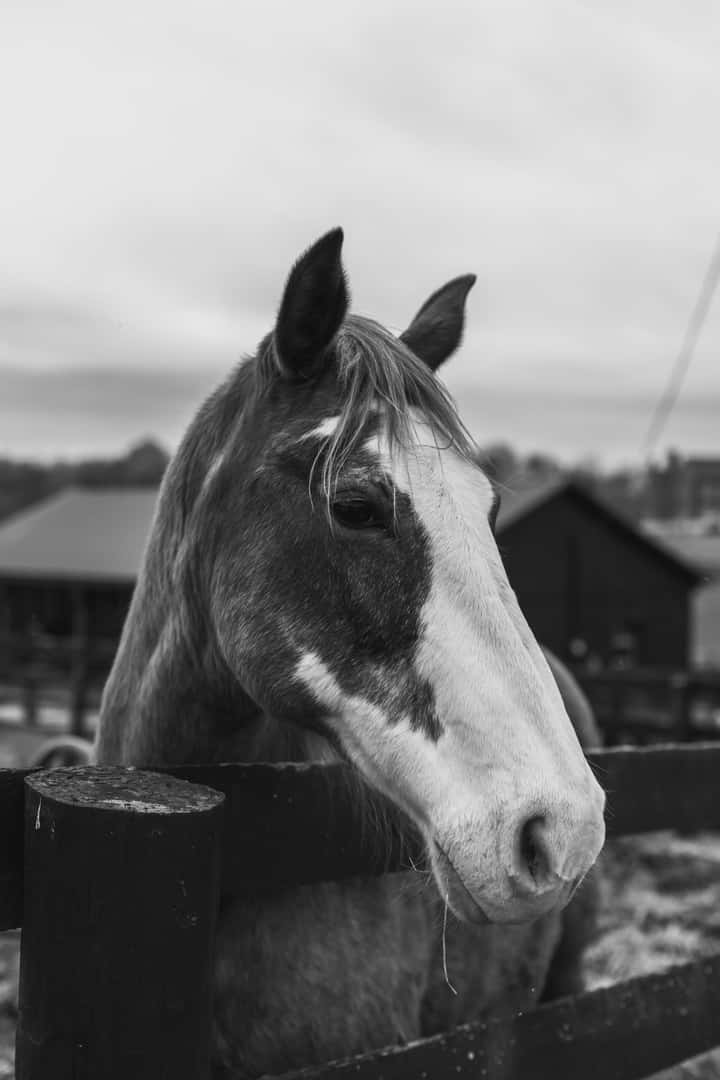
Photo by Travis Essinger on Unsplash

0 comment(s) so far on History of Horse Racing in Lexington, KY