


How often should you change spark plugs?
Your car’s spark plugs fire thousands of times per minute to keep your engine running smoothly. When drivers around Richmond, Winchester, and the greater Lexington area ask us how often should you change spark plugs, we start with an honest answer: it depends on what type of plugs your vehicle uses. Most spark plugs last anywhere from 30,000 to 100,000 miles, with material composition making a dramatic difference in longevity.
Our Chevy dealership near Lexington has been helping Madison County drivers maintain their vehicles since 1964.
How Often Should You Change Spark Plugs? The Short Answer
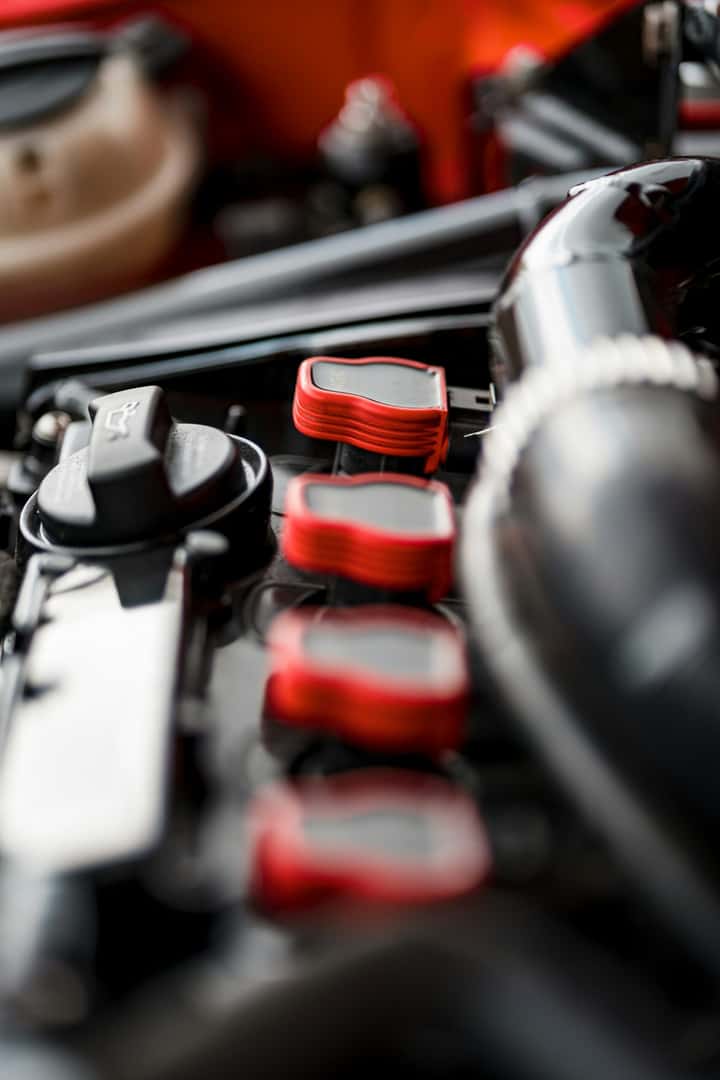
Most vehicles require spark plug replacement between 30,000 and 100,000 miles. That wide range comes down to real differences in how spark plugs are built and what your engine demands from them.
Basic copper spark plugs usually need swapping every 25,000 to 30,000 miles. Standard platinum plugs can push through to 60,000 miles. Premium iridium or double precious metal plugs often last 60,000 to 100,000 miles, depending on your engine setup. Got a turbocharged engine in your Silverado, Equinox, or Traverse? Expect the lower end of these ranges. Forced induction creates extra heat and pressure that wears down electrodes faster.
Your owner’s manual gives you the most reliable guidance for your specific ride. When you book service with us, our techs verify the correct replacement interval based on how you actually drive, not just generic mileage numbers.
Spark Plug Replacement Intervals by Type
Knowing when to replace spark plugs starts with understanding what type your vehicle runs. The material makeup determines both how they perform and how long they last. Here’s what matters about each type:
| Spark Plug Type | Typical Replacement Interval | Key Notes |
| Copper Spark Plugs | 25,000-30,000 miles | Shortest lifespan due to rapid electrode erosion; common in older engines |
| Platinum Spark Plugs | 60,000 miles | Longer life from platinum tips resisting wear; suitable for many modern engines |
| Iridium and Double Precious Metal Spark Plugs | 60,000-100,000 miles or more | Premium materials handle high stress; turbo engines typically 60,000 miles or 6 years; up to 100,000 miles in non-turbo applications |
Copper Spark Plugs
Copper spark plugs deliver excellent electrical conductivity. They’re a solid choice for older engines and certain high-performance setups. The downside? Durability takes a hit since the soft copper core wears away relatively quickly.
You’ll typically find copper plugs in pre-2000 vehicles and some older Chevrolet models we service around Madison County. Their 25,000 to 30,000-mile lifespan means you’ll replace them more often, though the lower upfront cost helps offset this. These plugs work particularly well in engines with lower compression ratios and distributor-based ignition systems.
Platinum Spark Plugs
Platinum spark plugs hit the sweet spot between copper and iridium. They last significantly longer than copper while staying more affordable than iridium options. The platinum tip resists erosion, stretching useful life to around 60,000 miles under normal driving conditions.
Most Chevrolet vehicles built in the past twenty years with standard engines came with platinum plugs from the factory. They maintain consistent spark quality throughout their service life. For drivers splitting time between highway miles through Central Kentucky and stop-and-go traffic in Lexington, platinum plugs deliver reliable performance without constant attention.
Iridium and Double Precious Metal Spark Plugs
Iridium and double precious metal spark plugs provide the longest service life and most consistent performance. These plugs use iridium electrodes that resist wear exceptionally well. Some designs incorporate precious metal on both the center and ground electrodes.
Replacement intervals for iridium plugs can stretch to 100,000 miles in many naturally aspirated engines. Turbocharged applications typically require replacement around 60,000 miles or six years due to increased thermal and pressure stress. Drive a newer Silverado with the turbo engine or a turbocharged Equinox? The more frequent schedule applies to you.
The benefits become immediately noticeable: sharper throttle response, smoother idle quality, and improved cold-weather starting. These characteristics stay stable across the plug’s entire service life.
How to Find Your Vehicle’s Recommended Spark Plug Interval
Your owner’s manual contains the most accurate spark plug replacement information for your specific vehicle. Look in the maintenance schedule section. Chevrolet provides these recommendations based on extensive testing with your engine configuration and expected driving conditions.
Many newer Chevrolet models integrate maintenance tracking into the Driver Information Center. This makes staying on top of scheduled maintenance straightforward. Drivers around Winchester and Richmond appreciate having experienced eyes verify these intervals during routine service visits. Our technicians can access detailed service bulletins and technical information specific to your VIN. This ensures we catch any updated recommendations.
Kentucky’s seasonal temperature swings and varied driving conditions sometimes warrant adjustments to standard maintenance schedules. Our 60+ years of local experience helps us spot these situations.
Warning Signs Your Spark Plugs Need Replacement Sooner
Rough Idling and Starting Issues
Even with careful maintenance schedules, spark plugs sometimes need replacement ahead of schedule. Rough idling shows up as one of the earliest signs. If your engine feels uneven while sitting at stoplights around downtown Richmond, deteriorating spark plugs often share the blame.
Difficulty starting your vehicle during cold Kentucky mornings indicates the plugs can no longer generate a strong enough spark to reliably ignite the air-fuel mixture. Reduced acceleration or sluggish performance when merging onto I-75 suggests cylinders aren’t firing properly due to weak spark.
Poor Performance and Reduced Fuel Economy
Decreased fuel economy serves as another reliable indicator. If your Malibu or Traverse suddenly requires more frequent fill-ups without any change in driving patterns, worn spark plugs are likely forcing the engine to work harder. This often explains the drop in efficiency. Modern vehicles may illuminate the check engine light when misfires occur.
Engine Misfires and Hesitation
Engine misfires create a distinct stumble or hesitation you can feel through the accelerator pedal. Sometimes this comes with popping sounds from the exhaust. Addressing these warning signs quickly prevents potential damage to catalytic converters and other emissions components.
Factors That Affect Spark Plug Replacement Intervals
Spark Plug Material and Engine Type
Material quality makes the most obvious difference in service life. Copper erodes fastest while iridium maintains peak performance longest. However, several other variables influence actual longevity beyond electrode material.
Turbocharged engines create significantly more heat and cylinder pressure than naturally aspirated designs. This accelerates electrode wear regardless of spark plug type. Drive a turbocharged Chevrolet through the hills around Berea? Expect to fall toward the shorter end of your plug’s recommended replacement range.
Driving Conditions and Fuel Quality
Your driving conditions play a substantial role as well. Short trips around London or Winchester where the engine never fully reaches operating temperature create more wear than sustained highway driving. This thermal cycling stresses the electrodes and insulation more than steady-state operation. Vehicles that sit unused for extended periods also experience accelerated degradation, even with minimal mileage.
Fuel quality affects longevity more than most drivers realize. Lower-grade gasoline with higher contaminant levels can leave deposits on electrodes. Our location in Central Kentucky generally provides access to good fuel quality, but we still recommend using TOP TIER certified gasoline when available.
DIY Spark Plug Replacement vs. Professional Service
When DIY Might Work
Replacing spark plugs appears straightforward: remove the old plugs and install new ones. For vehicles with easily accessible plugs and simple engine layouts, confident home mechanics can handle this task with basic tools. Just pay careful attention to proper gap settings and torque specifications.
The Complexity of Modern Engines
The reality in modern vehicles often proves more complex. Many engines bury spark plugs beneath intake manifolds, ignition coil packs, or other components requiring removal first. Incorrect installation torque can strip threads in aluminum cylinder heads, creating expensive repair situations. Improper gap settings lead to poor performance, while damaged ignition coils during removal result in additional replacement costs.
Benefits of Professional Service
Professional service eliminates these risks through proper technique and specialized tools. Our technicians use calibrated torque wrenches, appropriate anti-seize compounds, and dielectric grease to ensure correct installation. We verify gap specifications against factory standards, inspect ignition coils for damage, and check for any underlying issues that might have contributed to premature wear.
The warranty protection that comes with professional installation provides additional value. More importantly, our mobile service capability transforms what might be a Saturday afternoon project into convenient service completed at your home or workplace. Our technicians arrive equipped with everything needed to complete the job properly. This eliminates the trip to our 12-bay service facility. For drivers juggling work schedules and family obligations across Madison County, the time savings and peace of mind from professional mobile service typically outweigh any perceived cost savings from DIY replacement.
Keep Your Engine Running Strong with Timely Spark Plug Maintenance
Regular spark plug maintenance protects your engine’s performance, fuel economy, and long-term reliability more effectively than almost any other scheduled service. The relatively modest investment in timely replacement prevents cascading problems that develop when worn plugs force other systems to compensate for weak ignition.
We’ve seen how neglected spark plugs lead to damaged catalytic converters, fouled oxygen sensors, and accelerated wear on ignition coils. All of these failures cost significantly more to repair than proactive plug replacement. The benefits extend beyond avoiding expensive repairs to include noticeably improved throttle response, smoother engine operation, and better cold-weather starting throughout Kentucky’s winters.
Ready to ensure your vehicle’s ignition system delivers peak performance? Our mobile service team makes spark plug replacement more convenient than ever for drivers throughout Richmond, Berea, Winchester, London, and the entire Lexington area. Schedule your mobile service appointment today and let our experienced technicians come to you. No waiting room required, just professional service delivered wherever works best for your schedule.
Photo by Julian Hochgesang on Unsplash

0 comment(s) so far on How often should you change spark plugs?