


How to Remove the Spare Tire from a Chevy Silverado
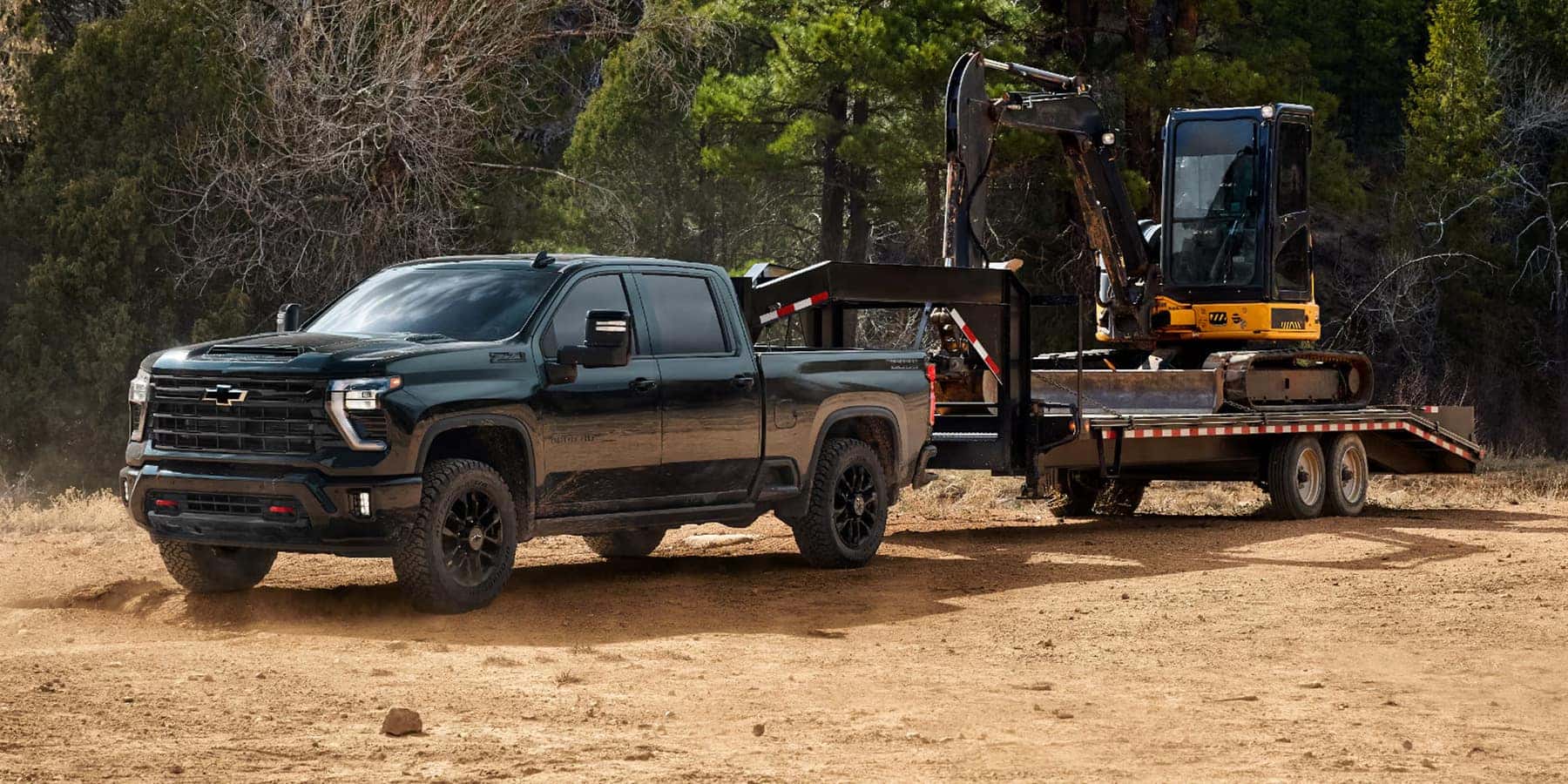 A lot of owners get tripped up trying to figure out how to remove the spare tire from their Chevy Silverado, mostly because the whole system lives underneath the bed, out of sight, and forgotten about until the moment you actually need it. Once you understand the winch mechanism Chevrolet built into these trucks, the job isn’t complicated at all. If you’d rather skip the hassle, our service team can handle it for you.
Understanding Your Silverado’s Underbody Spare Tire System
On Silverado 1500 models from 2014 to present, the spare hangs under the bed, held by a hand-cranked winch and steel cable, with a retaining bracket threading through the wheel’s center. This design keeps the wheel out of your cabin and trunk space, but it also leaves the whole mechanism exposed to road salt, water, and dirt every single time you drive. That salt and moisture buildup is usually what causes winches to seize up over the years.
Most Silverados also come with a secondary safety latch that stops the tire from dropping suddenly once the cable goes slack. If your spare hangs up partway during removal, the latch is doing exactly what it’s designed to do.
Tools You’ll Need Before Getting Started
Chevrolet packs everything you need right into the truck: a lug wrench, a jack rated for your model’s weight, a jack handle with extension capability, and a spare tire tool kit made of interlocking rods that reach the winch bolt. These pieces are usually tucked behind or beneath a seat, or inside a dedicated storage compartment, so check your owner’s manual if you’re not sure where yours live.
A few extras aren’t factory-supplied but make life easier: work gloves, wheel chocks, a flashlight, and penetrating oil. None of these are required, but on an older truck, or one that’s spent a few winters in road salt, penetrating oil can turn a five-minute job into something you’re not dreading.
Safety note: Work on level ground, engage the parking brake, chock the wheels opposite the flat, and turn on your hazard lights before getting underneath or behind the vehicle. Check your owner’s manual for model-specific torque specs and jack placement.
Step-by-Step: Removing the Spare Tire on a Silverado 1500
Step 1: Park Safely and Locate the Winch Access Point
Park on level ground, set the parking brake, chock your wheels, and switch on your hazards. Look for the winch access point near the rear bumper, close to the license plate. It’s typically a small removable panel or plug. Exact placement shifts slightly by model year, so check your owner’s manual if you don’t spot it right away.
Step 2: Insert the Jack Handle into the Winch Bolt
Assemble your extension rods and crank handle, then feed them through the access point until the tool engages the winch bolt. This is the manual mechanism you’ll use, there’s no electric motor involved here. Make sure the handle is fully seated before you start turning, or you risk stripping the bolt.
Step 3: Lower the Tire Carrier Fully
Turn the crank counterclockwise to release the spare from its stored position. Keep cranking until the tire rests on the ground and the cable goes slack. You might hear a distinct clicking sound partway through; that’s the winch mechanism working as intended.
Step 4: Detach the Tire from the Cable Hook
With the tire on the ground, locate the T-shaped retaining piece running through the wheel’s center and give it a slight tug to disconnect it from the cable hook. It should come free without much resistance. If it’s fighting you, don’t force it. That resistance usually points to corrosion, which we’ll cover in the troubleshooting section below.
Step 5: Remove and Inspect the Spare
Slide the spare out from under the carrier. It’s heavier than it looks, so lift with your legs and keep your back straight. Once it’s out, check the air pressure and give the tire a once-over for cracking or dry rot. A spare that’s been sitting under the truck for years can lose pressure or degrade without you ever noticing, until the day you actually need it.
Applying the Same Process to Silverado HD Models (2500/3500)
Silverado 2500HD and 3500HD trucks use the same underbody winch setup, operated with the same jack handle kit. The main difference is weight and durability, since these trucks haul heavier spares and see harder work-truck duty cycles. Corrosion and seizing from rust and disuse remain the top failure point on HD models, often worse than on the 1500 given how much time these trucks spend sitting between jobs. Lowering the spare periodically and lubricating the winch components goes a long way toward avoiding a seized mechanism right when you need to change a tire.
Worth knowing if you’re sourcing parts: GM Part #84539736 is the tire carrier assembly for Single Rear Wheel trucks. Dually models take a different part, so confirm your rear axle configuration before ordering. Parts listings also disagree on which model years this number covers, so verify fitment against your VIN with a GM dealer parts department rather than relying on a listing’s year range.
Spare Tire Size and Location by Trim Level
Spare tire sizing on the Silverado varies quite a bit by trim, and knowing what you’re working with helps you plan ahead, whether you’re checking fitment or just trying to figure out why your spare doesn’t match your road tires.
| Trim/Model | Spare Type | Typical Spare Size | Notes |
| WT, LT, Elevation | Compact/temporary | 17″ (also historically P255/70R17, P265/70R17) | Sizing has shifted across model years; check the tire information placard on the driver’s door jamb |
| ZR2 | Full-size | 275/75R18 (18-inch wheels standard) | Spare closely matches road tire diameter for off-road use |
| Trail Boss | Standard | Roughly 32″–34″, varies by model year and wheel size | Lifted suspension and off-road tire are standard trim content, sized between base trims and ZR2 |
| Next-gen ZR2 (2027 prototype) | Full-size | 285/75R18 (~35″) | Larger spare to match upsized road tires |
WT, LT, and Elevation: Compact Spare Configurations
WT, LT, and Elevation trims typically carry a compact or temporary spare instead of a full-size match. Most late-model Silverado 1500 trucks run a 17-inch spare regardless of what size wheels they’re riding on, so even a truck sitting on 20-inch road tires may still carry that same 17-inch spare underneath. Sizing has shifted across model years, so check your tire information placard or contact a dealer to confirm the exact spare for your build.
ZR2: Full-Size Spare for Off-Road Capability
The ZR2 trim takes a different approach. These trucks run 33-inch Goodyear M/T tires on 18-inch wheels, and the full-size spare tucks under the bed alongside the ZR2’s CornerStep rear bumper. The spare closely matches the road tire’s diameter. Chevrolet’s next-generation ZR2 prototype, expected for 2027, is set to run a 285/75R18 spare, close to 35 inches. Trail Boss models land in between, coming standard with an off-road tire that has run anywhere from about 32 to 34 inches depending on model year and wheel package. That gives buyers real off-road capability without going full ZR2.
NHTSA has flagged spare tire mismatches as a genuine safety concern on these trucks. Recall data from NHTSA covering Silverado 2500 and Sierra 2500 models from 2020-2021 identified trucks built with a 17-inch spare (RPO ZHQ/ZXT) that were later paired with either 20-inch (RPO REM) or 18-inch (RPO Q2V) accessory road tires. That mismatch could prevent ABS from properly engaging when the spare was mounted. Dealers replaced the incorrect spare and label at no cost.
A related NHTSA recall covered roughly 626 Chevrolet Silverado 1500 and GMC Sierra 1500 trucks combined from 2019-2021 that were originally sold with a 17-inch spare but paired with 22-inch, 20-inch, or 18-inch accessory road tires. If your truck has had its wheels upgraded at any point, it’s worth confirming your spare still matches what your ABS system expects.
Troubleshooting a Stuck or Rusted Winch Cable
A stuck winch is the single most common complaint we hear about spare tire removal, and it almost always comes down to corrosion from road salt and moisture, especially in areas with harsh winters. If your cable won’t budge, apply penetrating oil to the accessible cable and winch components and let it soak for 15 to 20 minutes; stubborn cases may need 30 minutes or more. After soaking, try cranking again rather than forcing the handle, since too much force can shear bolts or snap the cable outright. Gently tapping the winch housing can also help loosen rust built up around moving parts.
If the tire drops partway and seems to wobble without fully releasing, that’s the secondary safety latch engaging, so resist the urge to yank on it. It’s worth building an annual maintenance habit: lower the spare, inspect the cable for fraying, check tire pressure, and coat the winch, cable, and latch with a corrosion inhibitor like fluid film or white lithium grease. A healthy cable looks smooth and silver; visible rust or frayed strands are a safety hazard that needs attention right away.
Cutting the cable should only ever be a last resort, and honestly, we’d steer you away from it entirely. If you’re facing sheared bolts, a fully seized winch, a snapped cable, or a tire carrier that simply won’t lower no matter what you try, that’s a job for a trained technician. You can book a service appointment with our team rather than risk injury working under the vehicle.
Reinstalling the Spare Tire Correctly
Putting the spare back is basically the removal process run in reverse. Slide the tire back into position and reconnect the T-shaped hook end through the wheel’s center, making sure it seats properly. Crank the handle clockwise this time, raising the tire fully until it’s snug against the underbody and won’t drag while driving.
The same goes for your tools: stow the jack, handle, and tool-kit rods back in their original bag and storage spot so everything’s ready if you need it again in a hurry.
Need Help? Visit Jack Burford Chevrolet for Truck Repair, Trade-Ins, or Mobile Service
When to Call a Professional
Not every spare tire situation is a DIY job, especially once rust, stripped bolts, or a seized winch enter the picture. Our factory-trained technicians work exclusively with genuine GM parts, so you know any repair is built to last. If getting to the dealership isn’t convenient, our MobileService+ program sends a technician straight to you for diagnostics, software programming, or tire services, no need to load up the truck.
Schedule Your Visit
As a family-owned dealership serving Richmond, Lexington, and Madison County since 1964, we’ve built our reputation on getting Silverado owners back on the road safely. Reach out through our contact form or visit Jack Burford Chevrolet to schedule your service.

0 comment(s) so far on How to Remove the Spare Tire from a Chevy Silverado