


How to Unclog a Catalytic Converter
Your check engine light just came on, and your car feels sluggish during acceleration. If you’re experiencing reduced power and poor fuel economy, a clogged catalytic converter might be the culprit. At Jack Burford Chevrolet in Richmond, we help Kentucky drivers understand what’s happening under their vehicles and guide them toward the right repair solution. Contact our team to diagnose your catalytic converter issues accurately.
What Is a Catalytic Converter and What Does It Do?
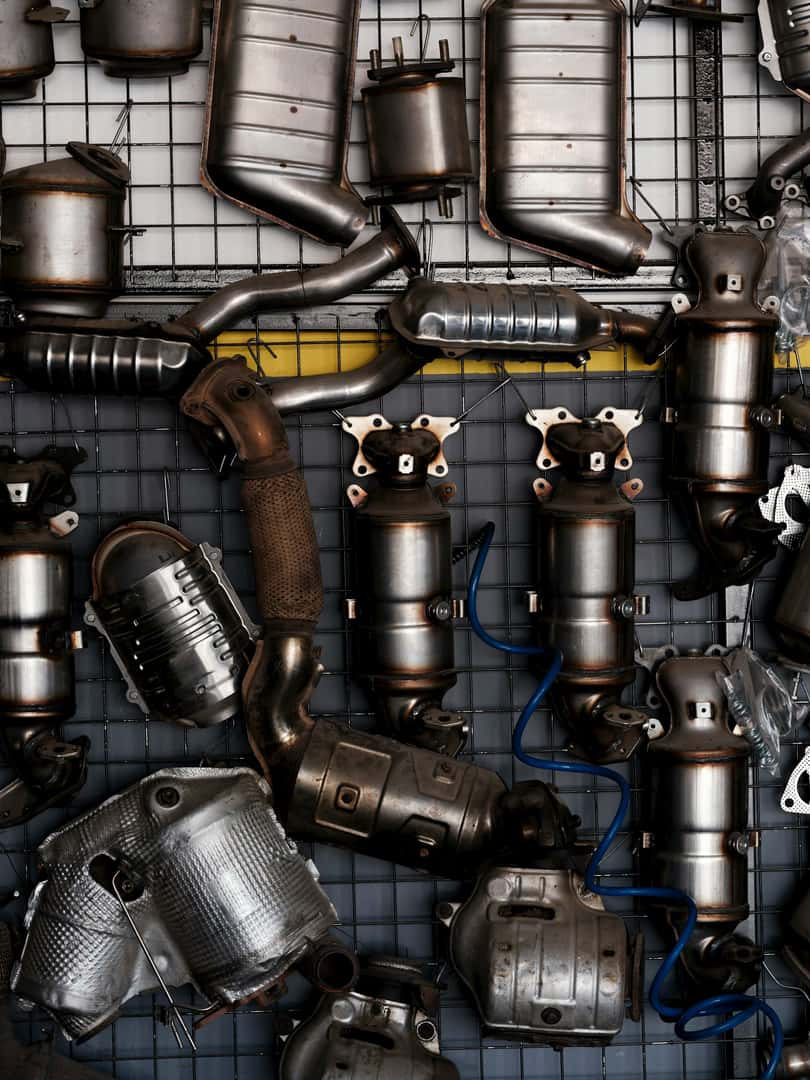
A catalytic converter sits in your exhaust system and works as your vehicle’s emissions control workhorse. This component uses precious metals (platinum, palladium, and rhodium) coated on a ceramic honeycomb substrate to trigger chemical reactions that transform toxic exhaust gases into safer emissions.
The converter handles two key processes: reduction (breaking nitrogen oxides into nitrogen and oxygen) and oxidation (converting carbon monoxide and hydrocarbons into carbon dioxide and water vapor). Hot exhaust gases flow through the honeycomb channels, where the catalyst metals facilitate these reactions continuously while your engine runs.
How Your Catalytic Converter Protects Your Vehicle
Beyond reducing pollution, a properly functioning catalytic converter keeps your vehicle running smoothly. When the converter works efficiently, exhaust gases flow freely, maintaining optimal engine backpressure. This balance ensures your engine delivers the power and fuel efficiency it was designed to provide.
Your vehicle’s computer monitors the converter’s performance through oxygen sensors, adjusting fuel delivery to maintain peak efficiency. Diagnostic codes like P0420 and P0430 indicate catalyst efficiency has dropped below threshold. Once a converter gets clogged or damaged, your entire engine system takes a hit.
Where the Catalytic Converter Is Located
You’ll find the catalytic converter positioned on your vehicle’s underside between the exhaust manifold and muffler. Most modern cars have the converter mounted close to the engine, where exhaust gases exit at their hottest temperature. This placement allows the converter to reach its operating temperature of 500-800°F quickly, with temperatures climbing up to 1,200°F under heavy load.
Some vehicles feature multiple catalytic converters depending on engine configuration. V6 and V8 engines often have pre-catalytic converters near each exhaust manifold, plus a main converter further downstream.
Common Catalytic Converter Problems That May Need Repair
Several factors can compromise your catalytic converter’s performance. Engine oil consumption, coolant leaks into the combustion chamber, and rich fuel mixtures deposit contaminants on the catalyst surface. Over time, these deposits restrict exhaust flow and reduce the converter’s ability to process emissions.
Physical damage represents another common issue. A broken honeycomb structure can no longer provide adequate surface area for chemical reactions. The ceramic structure can crack or crumble when exposed to rapid temperature changes or direct strikes from road hazards.
Signs of a Clogged Catalytic Converter
Recognizing symptoms helps you address problems before they escalate. Reduced acceleration ranks among the most noticeable signs, particularly when merging onto highways or climbing hills. Your engine works harder to push exhaust through the restricted converter, robbing power that should reach your wheels.
Decreased fuel economy often accompanies performance issues. The check engine light typically illuminates once the problem affects emissions readings. A sulfur or rotten egg smell from your exhaust indicates the converter isn’t processing gases properly. In severe cases, you’ll hear rattling noises from loose catalyst material inside the converter shell.
Other Issues That Can Affect Performance
Engine misfires create unburned fuel that travels into the exhaust system, where it ignites inside the hot converter. This secondary combustion generates extreme temperatures above 2,000°F that can melt the catalyst substrate, causing catastrophic failure. Faulty spark plugs, ignition coils, or fuel injectors that allow misfires pose serious risks to converter longevity.
Rich mixtures with excess fuel overwhelm the catalyst’s capacity and accelerate wear. Exhaust leaks upstream of the converter introduce extra oxygen that skews sensor readings. Oil consumption from worn piston rings or valve seals coats the catalyst with deposits that block active sites.
Can You Unclog a Catalytic Converter Yourself?
The question deserves an honest answer from our experience. Some minor blockages respond to chemical treatments, but success rates vary significantly based on severity and type of clog.
DIY Methods and Their Limitations
Chemical cleaners designed for catalytic converters work by dissolving carbon deposits and light contamination. You add these products to your fuel tank, and as you drive, the mixture passes through the engine and exhaust system. This approach might help with early-stage contamination from poor fuel quality, but it won’t fix structural damage.
Some mechanics suggest high-speed driving to raise exhaust temperatures and burn off deposits. While this technique can sometimes clear light buildup, it carries risks if the converter is severely clogged. The increased backpressure can damage engine seals or cause other components to fail.
Physical removal for soaking requires mechanical skill and proper tools. Even with successful cleaning, you might discover underlying damage that prevents the converter from functioning properly. If blockage stems from melted substrate or a broken honeycomb, no amount of cleaning restores functionality.
We recommend professional diagnosis before attempting DIY solutions. Schedule your service appointment to have our technicians assess whether your converter can be salvaged or requires replacement.
Why Professional Catalytic Converter Service Is the Smarter Choice
Taking your vehicle to our qualified technicians eliminates guesswork and prevents costly mistakes. Professional diagnosis goes beyond reading check engine codes to identify exactly why your converter isn’t performing correctly.
Accurate Diagnostics Save Time and Money
We use specialized equipment to measure exhaust backpressure, temperature differentials, and gas composition. These readings reveal whether you’re dealing with a clogged converter, upstream engine problems, or sensor failures that mimic converter issues. Our comprehensive inspection checks for leaks, damage, and proper mounting that affect converter function.
This approach prevents unnecessary repairs. Your symptoms might point to a clogged catalytic converter, but our diagnostic testing could reveal a faulty oxygen sensor causing an incorrect fuel mixture. Replacing sensors costs significantly less than converter replacement.
We inspect related systems that impact converter performance (spark plugs, ignition components, fuel delivery systems, and engine compression). This preventive approach protects your investment and ensures reliable long-term performance.
Safety Risks of DIY Work
Working underneath vehicles creates inherent dangers without proper lifting equipment. Catalytic converters remain extremely hot long after you shut off the engine (serious burn risk). Exhaust gases contain toxic compounds that pose health risks in enclosed spaces without adequate ventilation.
Removing and reinstalling exhaust components requires specific torque specifications to prevent leaks. Corroded exhaust bolts often break during removal, requiring specialized extraction tools. Without experience, you might cause additional damage that increases repair costs.
Our service center has the ventilation systems, lifts, and protective equipment to work safely on exhaust systems. Our technicians know how to handle hot components and toxic materials properly, with insurance coverage that protects both workers and customers.
Why Jack Burford Chevrolet Is Richmond’s Go-To for Vehicle Service
Jack Burford Chevrolet has served Madison County and the greater Lexington area since 1964. Our family-owned dealership maintains a fully-equipped 12-bay service center designed to handle all your automotive needs efficiently.
Expert Technicians and Genuine Chevy Parts
Our award-winning service team brings decades of combined experience to every catalytic converter repair and diagnostic challenge. We stay current with the latest Chevrolet systems through ongoing training, ensuring we understand your vehicle’s specific requirements.
We use genuine OEM Chevy parts for all repairs. Original equipment catalytic converters are engineered specifically for your vehicle’s engine and exhaust system, ensuring proper fit and optimal performance. Aftermarket converters often use lower-grade materials that can trigger check engine lights or fail prematurely.
Our diagnostic process uses factory-level scan tools that access manufacturer-specific data. We verify catalytic converter efficiency through live data monitoring and compare readings against factory specifications, ensuring you receive the correct solution.
Mobile Service for Diagnostics and Routine Maintenance
We offer mobile service that brings professional diagnostics to your location. This convenience proves valuable when performance issues make driving difficult. Our mobile technicians arrive with diagnostic equipment to assess your catalytic converter problems without requiring you to bring the vehicle to our facility.
Mobile service works well for routine maintenance that helps prevent catalytic converter problems (regular oil changes, spark plug replacements, and fuel system cleaning). For repairs requiring specialized equipment like catalytic converter replacement, mobile technicians provide accurate estimates and schedule follow-up service at our service center.
Contact Jack Burford Chevrolet for Catalytic Converter Service Today
Addressing catalytic converter problems promptly prevents additional damage to your engine and exhaust system. When you notice reduced performance, unusual noises, or warning lights, contact our service team at (859) 623-3350. We schedule appointments Monday through Friday from 7:30 AM to 5:30 PM.
Located at 819 Eastern Bypass in Richmond, Kentucky, we serve drivers throughout Madison County, including Winchester, London, and Berea. Our service team takes pride in transparent communication throughout the repair process. We explain diagnostic findings in straightforward terms, outlining your options for professional cleaning, repair, or replacement. You’ll receive detailed estimates before any work begins.
Whether you’re dealing with a check engine light, performance issues, or simply want preventive maintenance to protect your catalytic converter, our expert technicians and genuine Chevy parts provide solutions you can trust. Schedule service online today and experience the award-winning care that keeps vehicles running smoothly throughout Richmond and beyond.
Photo by engin akyurt on Unsplash

0 comment(s) so far on How to Unclog a Catalytic Converter