


What Does White Smoke From Exhaust Mean?
Spotting white smoke billowing from your vehicle’s exhaust is concerning for any driver. This abnormal emission signals potential issues under the hood. Different exhaust smoke colors indicate varying underlying problems, but white smoke specifically points to more serious engine troubles. Keep reading to learn about the common causes behind a misty exhaust and what it means for your vehicle’s health.
Common Causes of White Smoke From Your Exhaust
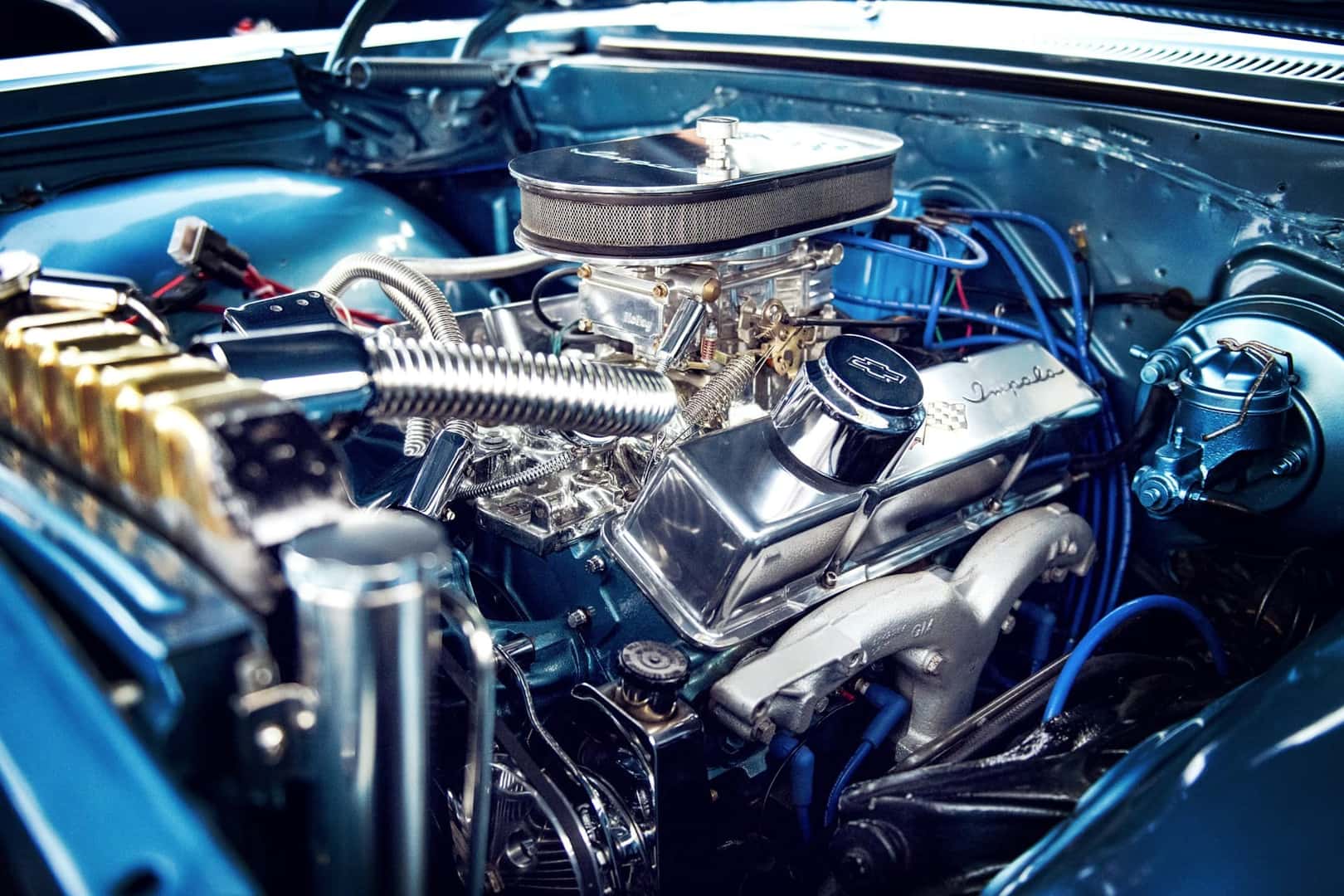
Photo by Tim Mossholder on Unsplash
Are you wondering, “Why is white smoke coming out of my exhaust?” Well, here are some of the reasons that might be behind it:
- Condensation: On chilly mornings, it’s normal to see short-lived white vapor coming from the exhaust, as moisture that accumulates overnight evaporates when the engine heats up.
- Coolant leaks: The presence of white smoke can indicate coolant leaking into the combustion chambers due to a head gasket failure, causing the coolant to burn during combustion.
- A blown head gasket: A blown head gasket can generate dense, long-lasting white smoke resulting from a mix of combustion gases and coolant that can cause significant engine issues.
- Cracked engine blocks or cylinder heads: White smoke can also indicate coolant infiltration due to cracks in engine blocks or cylinder heads, typically resulting from overheating, defects, or aging.
- Burning oil: Blue-tinged exhaust smoke can indicate burning oil, usually stemming from worn piston rings, valve seals, or aging components.
- Transmission fluid leaks: White smoke may also point to burning transmission fluid from the fluid that’s leaked into the engine.
Diagnosing the Problem
Now that you know what causes white smoke from exhaust, let’s look at how you can diagnose the problem. Begin with a visual check of your vehicle while it’s parked on level ground with a cooled engine. Inspect the coolant reservoir for low fluid levels, which could indicate a leak. Also, look for bright green, pink, or orange puddles under the car, as they could indicate leaking coolant from cracked hoses or corroded parts.
Next, examine the head gasket by checking the dipstick for milky-looking oil and the oil filler cap for foamy residue, as these are both signs of gasket failure. If possible, perform a compression test; low readings in one or more cylinders indicate problems. Spark plugs also provide clues — if one’s cleaner than the others, it may suggest that coolant is entering the combustion chamber. If you’re experiencing persistent white smoke issues, it’s important to seek professional help.
Short-Term and Long-Term Effects
Ignoring white exhaust smoke can severely affect your vehicle in both the short and long term.
Short-Term Effects
Initially, you’ll notice a significant drop in performance, with reduced power and acceleration slowing your daily commutes. You’ll also notice your costs increase, as the engine will consume more fuel due to disrupted combustion from coolant or oil leaks. This can also cause engine misfires and poor running.
Long-Term Effects
White smoke often signals severe issues such as a blown head gasket or cracked engine block. Ignoring these problems will lead to contaminated oil circulating the engine and excessive wear on vital components such as pistons and cylinders. Eventually, this can result in catastrophic engine failure, necessitating an engine overhaul or replacement that costs thousands. Addressing white smoke promptly can save you significant money — timely head gasket replacements cost $1,000 to $2,000, while engine rebuilds range from $2,500 to $4,000, and full replacements cost $4,000 to $7,000 or more.
Additionally, driving with a compromised engine increases fuel consumption, necessitates frequent oil changes, and creates potential issues with other systems, raising costs further. A history of engine trouble can also lower your vehicle’s resale value, making potential buyers hesitant. Thus, promptly addressing white smoke preserves your vehicle’s performance and safeguards against many other issues.
Preventive Measures
Regular maintenance is crucial for a trouble-free vehicle, as neglecting it can lead to issues such as white exhaust smoke. There are several key upkeep practices to keep in mind that can help you prevent such problems.
Check Your Coolant Levels
Regularly checking your vehicle’s coolant levels can prevent overheating and subsequent head gasket failure. Inadequate coolant volumes can lead to coolant seeping into the combustion chambers, causing white smoke. Make sure to top up the coolant reservoir regularly and promptly address any leaks or puddles.
Inspect the Head Gasket
By regularly inspecting your vehicle’s head gasket, you can uncover early signs of wear, allowing for timely replacement before further damage occurs. An intact head gasket prevents oil and coolant from mixing and causing white smoke.
Give Your Engine Some TLC
Conducting timely oil changes, replacing worn components, and maintaining your engine’s condition can help minimize many of the risks that cause white smoke. To avoid such problems, schedule routine service appointments with a trusted mechanic and promptly address any unusual noises or performance issues. Using high-quality coolants and lubricants is crucial, as cheap alternatives may not provide adequate protection. By following these preventive measures, you can keep white exhaust smoke at bay and extend your vehicle’s life span.
When To Consult a Professional
If you notice white smoke coming from your vehicle’s exhaust, it’s more than just an annoyance — it’s a critical warning sign. The persistent presence of white smoke after the engine warms up can indicate a blown head gasket, cracked engine block, or cylinder head issue. If you find that the smoke has a sweet smell, it suggests burning coolant due to a leak, which can lead to catastrophic engine failure if ignored. When white smoke is accompanied by rough idling, power loss, or overheating, it signifies a severe internal engine problem that requires professional attention.
Attempting self-diagnosis or repairs in these scenarios is ill-advised, as these issues are complex and require specialized knowledge and tools. Choosing the right service provider is crucial; seek mechanics certified by the National Institute for Automotive Service Excellence, consult online reviews, and ask for personal recommendations. During a professional inspection, your vehicle will undergo a thorough evaluation, including diagnostic tests using advanced tools. The mechanic will provide a report detailing their findings, any recommended repairs, and the cost. Using certified technicians ensures that any work you approve will be carried out with specialized tools and genuine parts.
At our Chevy dealership near Lexington, our expert technicians have the skills to diagnose and repair issues causing white smoke from your exhaust. We recommend timely intervention to ensure your vehicle gets back on the road safely.
Keep Your Vehicle in Top Shape With Jack Burford Chevrolet
White exhaust smoke signals underlying issues that demand prompt attention. Our experienced team uses cutting-edge diagnostic equipment to accurately identify problems and recommend the best solutions with upfront pricing. Don’t ignore white smoke. Visit our service department immediately for early detection and to prevent further damage. Let’s work together to restore your vehicle to factory-fresh conditions and avoid escalating repair costs. And if you’re in the market for a pre-owned vehicle, check out our extensive inventory of used cars for sale.

0 comment(s) so far on What Does White Smoke From Exhaust Mean?