


What is a Bushing on a Car?
Car bushings are small rubber and plastic pieces that act like tiny shock absorbers and are tucked throughout your vehicle. They prevent metal parts from grinding together while absorbing road vibrations, making your drives around Richmond comfortable and safe. Our Chevy parts experts at Jack Burford Chevrolet have put together this guide to help you understand why bushings are important.
Understanding Car Bushings: The Basics
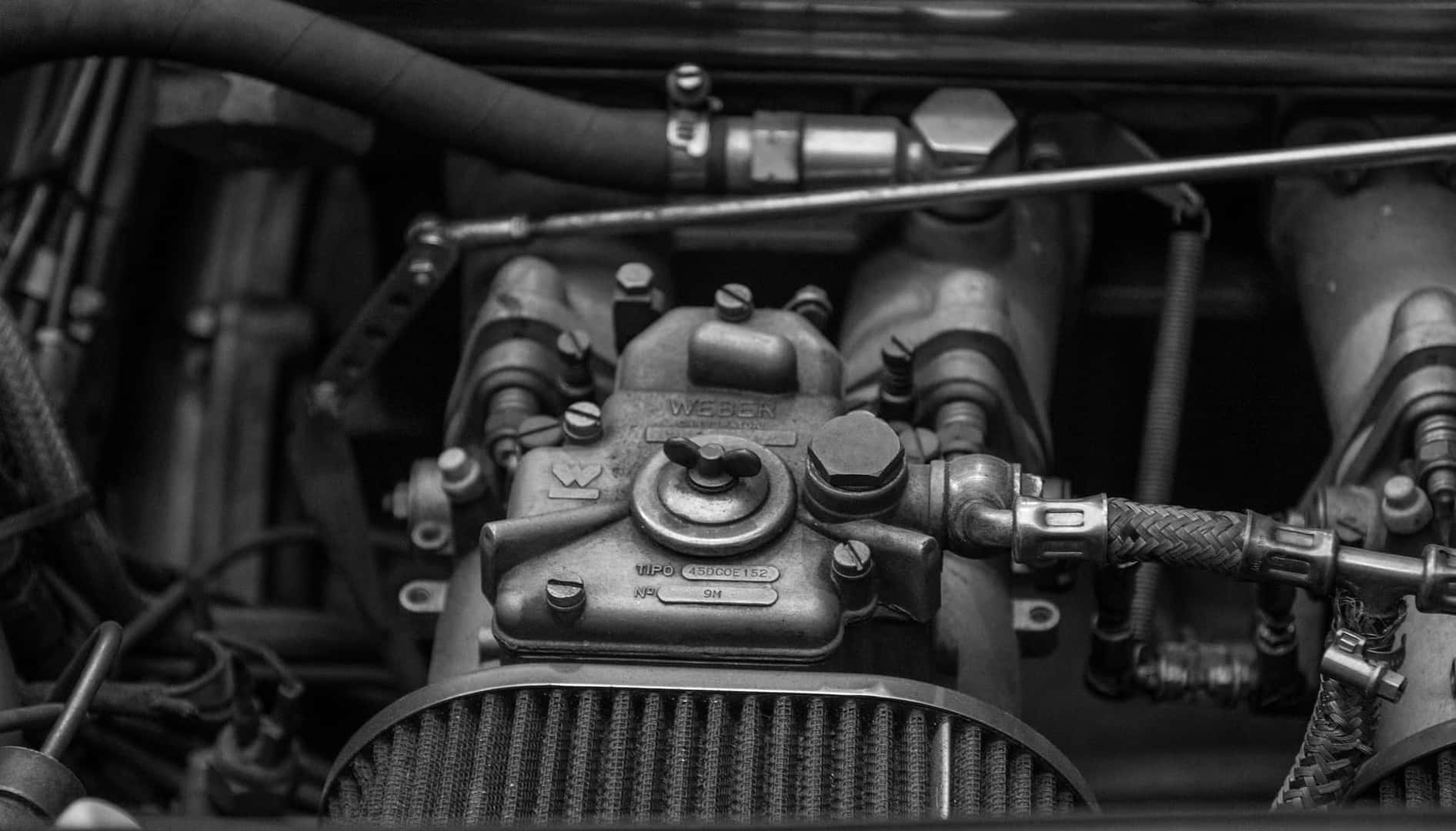
Bushings are little cushions that sit between your car’s moving metal parts. They’re usually cylinder-shaped and made from rubber, polyurethane, or newer composite materials. They let parts move when they need to, but they stop harsh contact that would cause damage and noise.
Most cars come with rubber bushings from the factory. They’re great at keeping vibrations and noise down, which makes your morning commute much more pleasant. Polyurethane versions last about twice as long as rubber ones. However, they’re noisier and give you a firmer ride. You can also find hydraulic bushings, which use fluid chambers for even better vibration control. The newest composite bushings mix different materials to handle specific jobs, especially in high-stress areas where regular rubber just won’t cut it.
Where Bushings Are Located on Your Vehicle
Your car’s loaded with dozens of bushings, with most in your suspension system. Control arm bushings sit at the top and bottom connection points, sway bar bushings help keep your car from leaning too much around turns, and strut mount bushings connect your struts to the car body. You’ll also find more in shock absorbers and all through your rear suspension setup.
Engine and transmission mount bushings have the tough job of holding those heavy components in place while absorbing their vibrations. Your steering system also needs bushings for the steering rack, tie rods, and various joints. Even your car’s body uses them where the cabin connects to the frame. The driveshaft and differential also rely on these cushioning components to keep things running smoothly without all the noise and harshness.
What Bushings Do: Key Roles in Vehicle Performance
Bushings are multitaskers that directly affect how your car feels and handles. Their biggest job is absorbing vibrations from the road. Without them working properly, every pothole on Lexington Road would send jarring shocks straight through your vehicle. They also stop metal parts from making direct contact with each other, which prevents grinding, squeaking, and rattling noises.
These components allow your suspension to move as designed while keeping everything properly aligned. Your suspension can flex to absorb bumps and keep your tires planted on the road, but bushings prevent excessive movement that would throw off your car’s geometry. They also protect more expensive parts from wearing out prematurely and help to prevent damage to your control arms, steering components, and mounting brackets. Good bushings keep your car handling predictably, which is especially important when you need to brake hard or make an emergency maneuver.
Signs Your Bushings Need Replacement
Catching worn bushings early can save you from bigger repair bills later. Start with a visual check by looking for cracks, splits, or tears in the rubber, especially around the edges where stress builds up. You might see gaps where rubber has pulled away from metal sleeves or notice oil contamination that’s making the rubber swell or break down. If you can grab a suspension component and move it more than a quarter inch by hand, those bushings need replacing.
Your ears often pick up bushing problems before your eyes do. Listen for squeaks, creaks, or groans when you turn, brake, or hit bumps. These sounds usually mean bushings aren’t cushioning metal parts properly anymore. Clunking noises from the suspension area, especially over rough spots, often point to worn control arm bushings. You also might notice more road noise and vibration, steering that feels loose or wanders, and uneven tire wear patterns. Failed bushings can increase tire wear by up to 40%, so fixing them not only maintains comfort but also saves you money.
When and Why Bushings Wear Out
Bushings are constantly flexing and compressing with every mile you drive. Under normal conditions, most will last between 80,000 to 120,000 miles. But if you’re hard on your vehicle with lots of off-roading, heavy towing, or driving on rough roads, expect them to wear out closer to 60,000 to 80,000 miles. Suspension bushings typically last 80,000 to 100,000 miles, which works out to about 10 years for most drivers around Richmond.
Kentucky’s weather doesn’t do bushings any favors. Road salt in winter accelerates wear and causes cracking. The temperature swings from hot summers to cold winters make rubber expand and contract over and over, eventually leading to failure. Oil leaks from other parts can contaminate bushings, making them swell or soften. Constant movement from daily driving gradually breaks down the material, while UV rays and road chemicals add to the damage. Cheap bushings or poor installation can also lead to early failure, so using quality parts and proper techniques really matters.
Maintaining Your Vehicle’s Bushings
Regular checks help you spot bushing problems before they get expensive. During routine maintenance, have your mechanic look for cracks, tears, or bulging rubber. Even bushings that look okay but feel hard should be replaced, as they’re not doing their job of controlling vibrations and noise anymore. Professional inspection becomes especially important as your car approaches 80,000 miles or if you notice any warning signs.
You can help bushings last longer with some simple steps. Keep your car clean, especially underneath, and wash off salt and chemicals that eat away at rubber. Fix oil leaks quickly since petroleum products destroy rubber bushings fast. While you can’t avoid all rough roads, taking it easy over potholes helps reduce stress on these parts. When replacement time comes, consider doing both sides at once; if one control arm bushing is worn, the other probably isn’t far behind.
Schedule Service at Jack Burford Chevrolet Today
Don’t let worn bushings put your safety at risk. Professional inspection and quality parts make all the difference between a quick fix and a repair that lasts. Our experienced team at Jack Burford Chevrolet knows how Richmond’s road conditions affect your vehicle’s bushings and suspension components. We’re equipped to provide thorough inspection and expert service to keep you driving safely and comfortably. Schedule your vehicle inspection today and let our certified technicians check your bushings to help protect your vehicle for years to come.
Image by emkanicepic is licensed with Pixabay License

0 comment(s) so far on What is a Bushing on a Car?