


What Maintenance Does a Chevy EV Need?
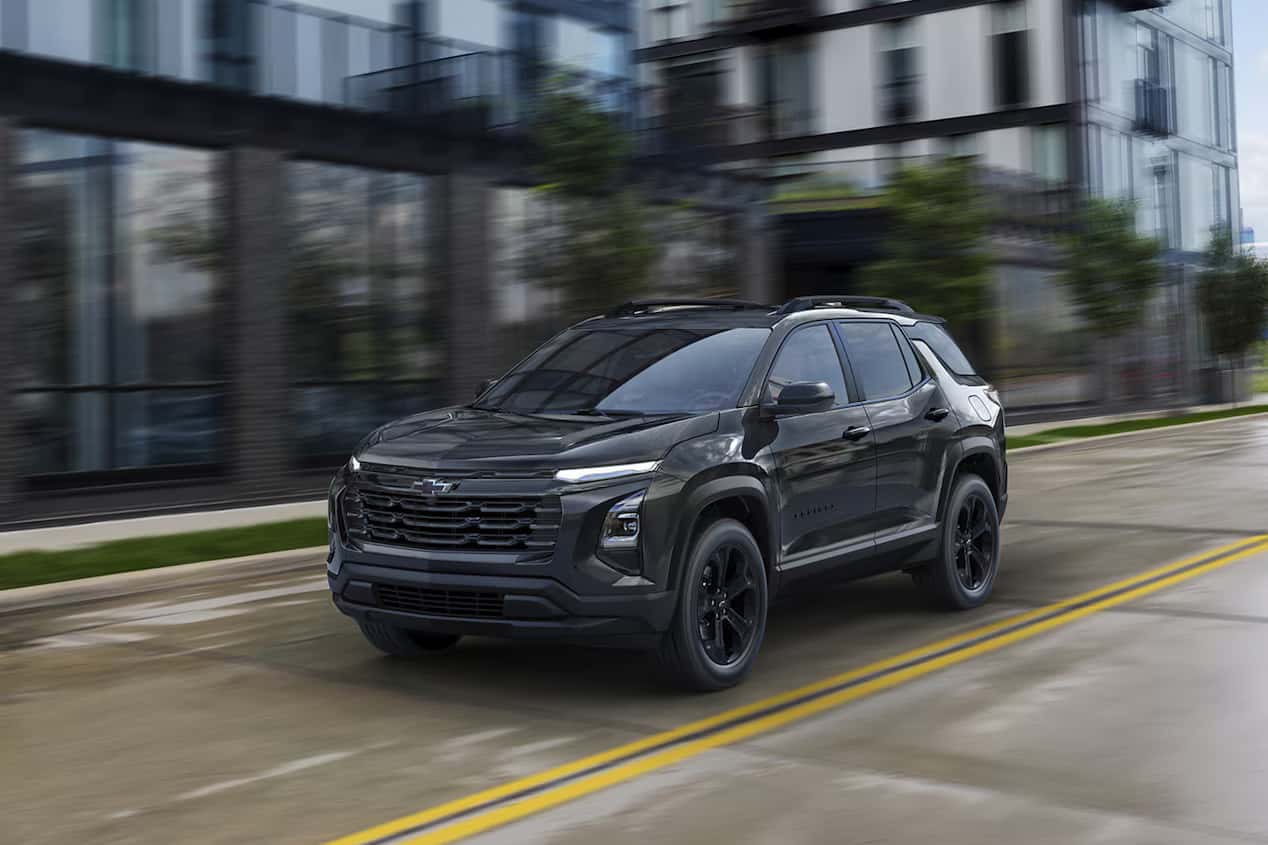 Chevy EVs don’t need engine oil changes, but they do still need attention to tires, brakes, filters, fluids and regular inspections. The upkeep is lighter than what a gas vehicle demands, though it never disappears entirely. If you want help sorting out what your vehicle needs, you can schedule Chevy EV service with our team in Richmond. Jack Burford Chevrolet has been a family-owned Chevrolet dealership since 1964, and we walk owners through this every day.
What Maintenance Does a Chevy EV Need? Short Answer and Service Table
The table below covers the core items for Chevy EV maintenance. Timing depends on your model’s schedule, so treat it as a guide to what to ask about.
| Service | Why it matters | Does timing depend on the model’s maintenance schedule? |
| Tire rotation | Heavier EVs and instant torque may wear tires faster | Yes, check your owner’s manual |
| Tire pressure checks | Improper inflation may reduce range and efficiency | No, check regularly using the tire label |
| Friction brake inspection and rotor cleaning | Rust can collect on rotors when brakes are used less | Yes, and driving conditions matter too |
| Brake fluid | Absorbs moisture over time | Yes, check your owner’s manual |
| Cabin air filter | Still serviced on an EV | Yes, and dusty conditions may shorten it |
| Coolant | Regulates battery and motor temperature | Yes, check your owner’s manual |
| EV multi-point inspection | Checks overall vehicle health | Yes, confirm with your service advisor |
The owner’s manual for your exact model year governs every item above, since intervals differ across the Bolt, Equinox EV, Blazer EV and Silverado EV.
Regular Chevy EV Maintenance: What to Expect
Routine care shifts from engine work to preventive inspections and wear items. A good service visit should leave you with a clear record of what was inspected, what was measured, and what comes due next. If low routine upkeep is part of why you’re shopping, you can browse new Chevy EVs.
What You Can Skip and What Still Needs Attention
You can cross oil changes, transmission flushes, engine belts and spark plugs off your list, along with engine air filter replacement. A cabin air filter is a different part from an engine air filter, and it still gets serviced.
Tires need the most attention. Heavier EVs and instant torque may contribute to faster wear, so replacement tires should be rated for the EV’s weight and load. Balancing supports smooth operation, and you can ask for an alignment with a rotation. Brake fluid absorbs moisture over time, which can contribute to corrosion in brake lines, and the replacement interval varies by model, so follow your owner’s manual.
What a Technician Checks at an EV Service Visit
The EV Multi-Point Vehicle Inspection is a vehicle health assessment covering the battery, tires, charge port seal and charge port connector. We also look at brake pads and rotors, the cabin air filter, coolant and other fluids. Coolant levels get checked at service, and flush timing follows the owner’s manual.
Software and warning alerts get a review too. Install over-the-air updates as they arrive, since they can include battery management optimizations. If a warning light or system alert appears, schedule diagnostics right away.
High-voltage components can pose serious risks if handled improperly. Inspecting, testing or replacing the high-voltage propulsion battery belongs with EV-trained technicians. Our service department has a 12-bay service area, and Certified Service technicians use Genuine GM Parts and Accessories. A new owner’s or lessee’s first routine maintenance visit is covered and includes a tire rotation and Multi-Point Vehicle Inspection. To get started, schedule Chevy EV service online.
Equinox EV and Silverado EV Maintenance Notes
Don’t apply the gas Equinox or Silverado schedule to the electric versions. For Equinox EV maintenance and Silverado EV maintenance alike, confirm requirements using the exact model year in the owner’s manual. If you tow or carry heavy loads in a Silverado EV, ask us whether your use calls for closer attention to tires and brakes.
Battery and Charging-System Care
Chevy EV batteries are designed to need no routine battery maintenance under normal use. Good care here comes down to smart charging habits and keeping an eye on warnings.
High-Voltage Battery, Coolant, and Thermal Management
Coolant keeps the battery and electric motor within a suitable temperature range. Summer heat and winter cold both affect the battery, so this system matters in Kentucky. Never touch orange high-voltage cables or components, and leave coolant and battery work to qualified technicians.
On the warranty side, the high-voltage battery will be repaired or replaced if capacity falls below 75% of original during the warranty period, as determined by a certified dealer. Check your warranty manual and ask our service team about the details.
Daily Charging Habits That Protect Capacity
For most Chevy EVs, an 80% daily charge target supports battery health and regenerative braking performance. Avoid regularly charging to 100% or depleting to 0%. Level 1 charging works with a standard 120V three-prong outlet, while Level 2 needs a 240V outlet or a professionally installed station. In the vehicle or mobile app, you can set a target charge level and a schedule, and choose between immediate or delayed charging. Our guide to EV charging stations in Richmond, KY can help when you’re away from home.
Heat and cold matter too. Park in shade in summer and in a garage in freezing weather when possible. A plugged-in EV can draw power to maintain battery conditions, including warming the battery in cold weather. DC fast charging is fine when you need it, but repeated back-to-back sessions without a rest can degrade the battery slightly faster than AC charging at home.
How Regenerative Braking Affects Brake Wear
With regenerative braking, the electric motor recovers energy while it slows the vehicle and sends that energy back to the battery. One-Pedal Driving slows the vehicle when you lift off the accelerator, while a steering wheel paddle triggers Regen On Demand.
Regen can reduce pad and rotor wear, but the friction brakes still do part of the work and still need inspection. Because they’re used less, humid Kentucky weather can let rust build up on the rotors, so ask your technician about caliper and rotor cleaning at your scheduled service. Regen can also be limited when the battery is near full or very hot or cold, so be ready to use the brake pedal.
How to Find the Correct Chevy EV Service Schedule
Open Chevrolet’s owner manuals portal and select the year, make and model. Then go to the Service and Maintenance section, which lists recommended routine maintenance. The portal doesn’t search by VIN. The same steps work for a Chevy Bolt EV maintenance schedule, an Equinox EV maintenance schedule or a Blazer EV maintenance schedule. We don’t offer one schedule that covers all four models, so use the manual for your exact vehicle.
Differences Across the Bolt, Equinox EV, Blazer EV, and Silverado EV
| Model | Daily charging target | Where to confirm the service schedule |
| Bolt | MY27 and newer: charge regularly to 100%, including once a week.
For other Bolt model years, check the owner’s manual |
Owner’s manual for the specific year and model |
| Equinox EV | 80% daily cap | Check the manual for your exact year and trim |
| Blazer EV | 80% daily cap | Owner’s manual for the specific year and model |
| Silverado EV | 80% daily cap | See the owner’s manual matching your model year |
The MY27 and newer Bolt recommendation supports accurate range and battery level displays and faster overall DC fast charging speeds. It doesn’t apply to other Chevy EVs. For Chevy Bolt repair questions on any model year, our service team can help.
DIY Owner Checks vs. EV-Qualified Technician Service
A short monthly routine goes a long way:
- Tire pressure and tread depth
- Warning lights
- Charge port condition
- Washer fluid, checked and refilled regularly
Bring your mileage and any warning messages to your visit, along with a note about charging or braking concerns. Leave high-voltage, coolant and battery work to qualified technicians. When you’re ready, schedule Chevy EV service with us.
Chevy EV Maintenance FAQs
Does a Chevy EV need oil changes? No. Tires, brakes, filters and fluids still need attention.
Do brakes still need service with regenerative braking? Yes. Regen can reduce wear, but friction brakes still need inspection.
Does every Chevy EV use the same charging target? No. Equinox EV, Blazer EV and Silverado EV use an 80% daily cap. MY27 and newer Bolt owners are recommended to charge to 100% regularly.
Who should service the high-voltage battery? EV-trained technicians should inspect, test or replace it.
Where do I find my maintenance schedule? Use the Service and Maintenance section of your owner’s manual in Chevrolet’s owner manuals portal.
Schedule Chevy EV Service at Jack Burford Chevrolet in Richmond
Chevy EV maintenance is simpler than gas-vehicle upkeep, and we’re here to keep it that way. Schedule Chevy EV service at 819 Eastern Bypass, Richmond, KY 40475. We serve Madison County and the greater Lexington area. Call service at (859) 623-3350, Monday through Friday, 7:30 AM to 5:30 PM, or contact us online.
Photo Courtesy of Chevrolet

0 comment(s) so far on What Maintenance Does a Chevy EV Need?