


Wheel Bearing Replacement Cost in Lexington
Your vehicle’s wheel bearings house steel balls or rollers inside a metal ring, letting your wheels spin freely while supporting your car’s entire weight. Without properly working wheel bearings, even basic driving becomes dangerous.
When wheel bearings fail, you’re dealing with more than just irritating sounds. Worn bearings mess with your vehicle’s handling and can damage your brake system, ABS sensors, and other crucial components. What starts as a simple repair quickly turns into an expensive chain reaction of problems.
Drivers who put off bearing issues often end up with much pricier repairs. Road salt, potholes, and moisture work their way into bearings over time, especially here in Kentucky. If you’re hearing strange sounds or feeling vibrations while driving, schedule your wheel bearing service at our service center. Our experienced technicians can diagnose the problem fast, and we even offer mobile service where our mechanic comes to you.
Signs You Need Wheel Bearing Replacement
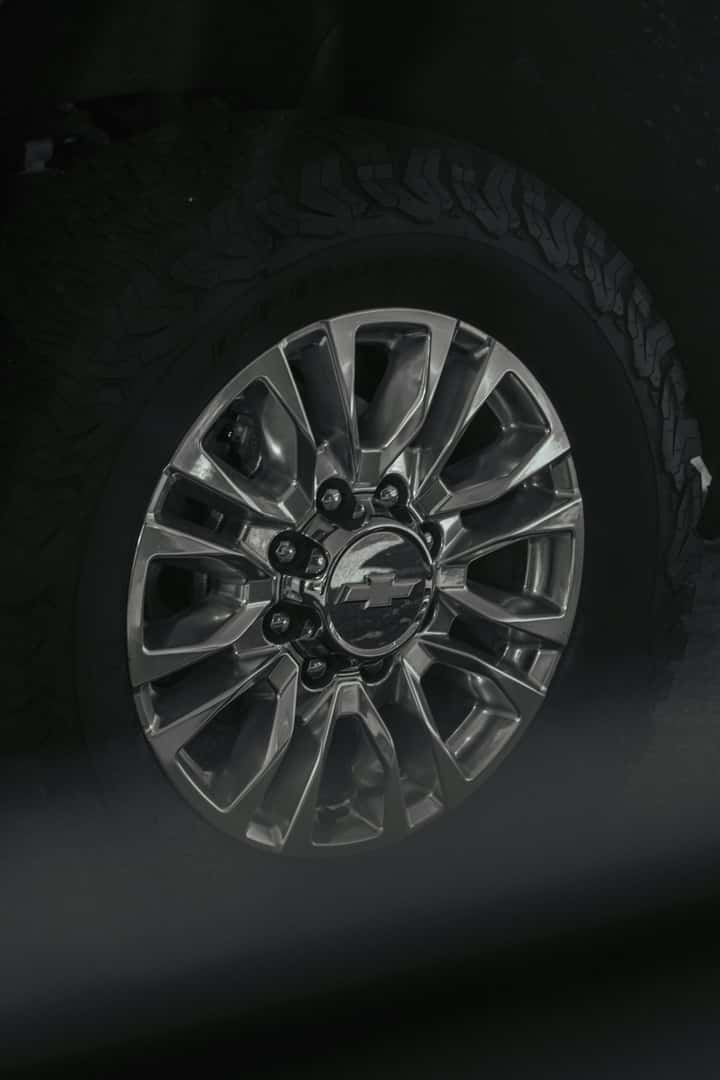
Spotting bearing failure early saves you headaches later. Your vehicle shows warning signs well before complete failure hits.
Unusual Noises While Driving
Failing wheel bearings make a characteristic grinding or humming sound that changes based on your speed. The noise often gets louder during turns when weight shifts onto the bad bearing. Some drivers say it sounds like a low rumble or helicopter-like whirring.
If it gets worse during left turns, your right-side bearing might be going bad. The same logic applies in reverse for noise during right turns. The sound usually increases at highway speeds and may quiet down temporarily when you let off the gas.
Vibration and Handling Issues
Your steering wheel shouldn’t shake or vibrate at normal speeds. When wheel bearings wear out, they create looseness in the wheel assembly, causing noticeable vibrations through the steering column. This feels different from tire balance problems because it often comes with a wobbling sensation in the wheel itself.
You might also notice your vehicle pulling to one side or needing constant steering adjustments. If your car doesn’t track straight anymore or feels less stable during lane changes, worn bearings could be to blame.
Visual and Physical Warning Signs
Uneven tire wear on one wheel compared to others often points to bearing problems. Look for excessive wear on the inner or outer edge of the tire.
Check around your wheel hub for grease splatters or leaks. When bearing seals fail, grease escapes. You might also see your ABS warning light come on. Wheel bearings sit right next to ABS sensors, and bearing play can trigger false readings.
Average Wheel Bearing Replacement Cost in Lexington
In the Lexington area, most wheel bearing replacements cost between $281 and $374, though prices can hit $700 or more for complex repairs on luxury vehicles or heavy-duty trucks.
Several things influence the final price. The type of replacement needed, your vehicle’s make and model, and whether you’re replacing front or rear bearings all factor into the total. Labor typically makes up the biggest chunk, with local rates ranging from $100 to $300 per hour.
Parts costs depend on whether you’re replacing individual bearings or entire hub assemblies. Bearing-only parts for older vehicles might run $50 to $250, while complete hub assemblies typically cost $400 to $800.
Front vs. Rear Wheel Bearing Costs
Front wheel bearing replacement generally costs between $300 and $700 per wheel, while rear wheel bearings typically run $250 to $550. Front bearings on many vehicles need more disassembly since you’re working around brake calipers, rotors, and steering components.
For Chevy owners, Silverado 1500 hub assembly replacement typically costs $538 to $702, while the Silverado 2500 HD runs slightly higher at $553 to $743. These trucks use heavy-duty bearing assemblies built for their towing capacity and payload ratings.
Hub Assembly vs. Bearing-Only Replacement
Modern vehicles increasingly use hub bearing assemblies where the bearing, hub, and ABS sensor mount form one sealed unit. These assemblies cost more upfront but eliminate the need for specialized pressing equipment, reduce installation time, and ensure proper preload and alignment from the factory.
Older vehicles often allow bearing-only replacement, where technicians press out the old bearing and press in a new one. This approach costs less for parts but requires precise installation. Improper preload can cause premature bearing failure.
We typically recommend hub assemblies at our facility. The complete assembly eliminates installation variables and often comes with a better warranty. While bearing-only replacement might save $100 to $150 in parts, the labor-intensive installation often wipes out those savings. If you have questions about which option works for your vehicle, contact us for guidance.
Factors That Affect Your Wheel Bearing Replacement Cost
Your vehicle type makes a big difference in cost. Compact cars and sedans typically fall on the lower end since their components are lighter and easier to reach. SUVs and trucks need heavy-duty bearings built for greater loads, pushing up parts costs. Some luxury vehicles use advanced bearing assemblies with integrated sensors that substantially bump up replacement costs.
Parts quality represents another major cost driver. OEM parts from Chevrolet typically cost more than aftermarket alternatives but provide precise fitment and often include better warranties. OEM parts generally last longer than economy aftermarket options, making them the better value despite higher upfront costs.
Labor complexity varies wildly between vehicles. Some wheel bearings can be swapped in under an hour, while others require extensive disassembly, special pressing equipment, and careful calibration. All-wheel-drive vehicles sometimes need simultaneous replacement of multiple bearings to prevent drivetrain damage.
The Wheel Bearing Replacement Process Explained
Professional wheel bearing replacement follows a systematic process that ensures proper installation. We start by lifting the vehicle and removing the wheel to access the bearing assembly. Brake components must be carefully removed without damaging brake lines or contaminating brake pads.
Once the brake caliper and rotor are out of the way, technicians remove the axle nut that secures the hub assembly. The old bearing or hub assembly then comes off the spindle, sometimes requiring specialized pullers if rust has locked components together.
For bearing-only replacements, technicians use a hydraulic press to remove the old bearing races and press in new bearings with precise force. The bearing preload must be set exactly to manufacturer specifications.
Hub assembly replacement makes this much simpler. The new assembly bolts directly to the spindle with no pressing required. All fasteners get torqued to specification, brake components are reinstalled, and we perform a final inspection. The entire job typically takes one to two hours per wheel.
Should You Replace Wheel Bearings Yourself?
Replacing wheel bearings yourself is doable if you have mechanical experience and the right equipment. But bearing-only replacement absolutely requires a hydraulic press, which costs thousands of dollars.
Hub assembly replacement is more DIY-friendly but still needs a substantial socket set, torque wrench, and potentially a bearing puller. Plan on spending at least an afternoon on the job.
The main risk involves improper installation. Insufficient preload causes premature bearing failure and potential wheel separation. Excessive preload generates heat that destroys bearings quickly. Professional installation ensures proper torque specifications and eliminates guesswork.
Warranty coverage provides another reason to choose professional service. Many bearing manufacturers only honor warranties when installed by qualified technicians. If your DIY bearing fails prematurely, you’ll pay full price for replacement parts and labor.
How to Extend the Life of Your Wheel Bearings
Keep Bearings Clean and Dry
Proper maintenance significantly extends bearing life. Keep your wheels clean, as road salt and brake dust speed up bearing seal degradation. A quick wheel cleaning during regular car washes removes these corrosive elements.
Avoid driving through deep water when possible. Sudden temperature changes from water splashing onto hot bearings can compromise seals and allow water infiltration.
Manage Tire Pressure, Balance, and Suspension
Maintain proper tire pressure and wheel balance. Underinflated tires increase rolling resistance and place additional stress on wheel bearings. Unbalanced wheels create vibrations that speed up bearing wear.
Address suspension problems right away. Worn ball joints, tie rod ends, and control arm bushings create play that transfers excessive loads to wheel bearings.
Inspect Bearings Before Problems Develop
Regular inspections catch bearing problems early. During routine maintenance like tire rotations, technicians can check for bearing play and listen for developing noise.
Schedule Wheel Bearing Service at Jack Burford Chevrolet Near Lexington
When you need wheel bearing service, Jack Burford Chevrolet brings over six decades of expertise to the job. As a family-owned business since 1964, we’ve built our reputation on quality service throughout Madison County and the Lexington area.
Our 12-bay service facility handles bearing replacements efficiently. We use OEM Chevrolet parts that meet the exact specifications your vehicle was built with, ensuring proper fit and long-term reliability. Our experienced technicians understand the unique requirements of Chevrolet vehicles, from compact sedans to heavy-duty Silverado trucks.
We make wheel bearing service convenient through our mobile service offering. Our mechanic comes to your location in Lexington, Richmond, Georgetown, Nicholasville, or Berea, saving you the hassle of arranging transportation. Call us at (859) 623-3350 to inquire about mobile service availability.
Ready to address that concerning noise or vibration? Schedule your appointment online or visit us at 819 Eastern Bypass in Richmond. We’ll diagnose the problem, provide transparent pricing, and get you back on the road safely with properly functioning wheel bearings.
Photo by Namito Yokota on Unsplash

0 comment(s) so far on Wheel Bearing Replacement Cost in Lexington