


When to Change the Transmission Fluid on Your Chevy
Your Chevy’s transmission is one of the most complex and expensive systems under the hood, and what keeps it running smoothly is something most drivers barely think about: transmission fluid. Knowing when to change it is one of the simplest ways to protect a system that can cost thousands to repair or replace.
Whether you drive a Silverado, Equinox, Malibu, or Tahoe around Richmond, Madison County, or anywhere in between, this guide covers everything you need to know about transmission fluid maintenance. If you’re already overdue or just want a professional opinion, schedule a service appointment with us at Jack Burford Chevrolet and we’ll take it from there.
What Transmission Fluid Actually Does in Your Chevy
Transmission fluid isn’t a single-purpose product. It’s doing several things at once: lubricating all the moving parts inside the transmission, absorbing and dissipating heat to keep temperatures in check, generating the hydraulic pressure needed to engage gears, and suspending microscopic debris so it doesn’t settle on critical surfaces. Pull any one of those functions away, and metal starts grinding against metal, temperatures spike, and things fail fast.
Over time, constant heat and friction break the fluid down. It picks up metal particles, absorbs moisture, and gradually loses its ability to lubricate and protect the way fresh fluid does. A fluid change removes all that degraded, contaminated material and replaces it with fluid that can actually do its job. Think of it less as a luxury service and more as a necessary reset for one of the hardest-working systems in your vehicle.
How Often Should You Change Transmission Fluid in a Chevy
There’s no single universal answer, but there are clear guidelines depending on transmission type and how you use your vehicle. Understanding those guidelines keeps you ahead of problems rather than scrambling to catch up. Here’s a quick reference for common Chevy transmission types.
Chevy Transmission Maintenance Schedule at a Glance
| Vehicle / Transmission Type | Normal Conditions Interval | Severe Conditions Interval | Fluid Type | Filter Change Needed |
| General Automatic (e.g., 6L80E) | 50,000–60,000 miles | 30,000–40,000 miles | ATF (consult owner’s manual for spec) | Yes |
| Manual Transmission | 30,000–50,000 miles | Consult owner’s manual | MTF (check owner’s manual for spec) | Varies |
| Sealed / 10-Speed Transmission | No normal interval specified | Every 45,000 miles | Consult owner’s manual | Yes |
For model-specific fluid specs, always check your owner’s manual or reach out to us directly. We can confirm the correct fluid type for your exact year, make, and configuration.
Automatic Transmission Intervals and Severe Conditions
For Chevy vehicles with automatic transmissions, intervals generally fall between 30,000 and 60,000 miles, depending on driving conditions. “Severe conditions” isn’t just a vague label. In practical terms, it means regular towing, frequent stop-and-go traffic, off-road use, or operating in hot climates. All of these put extra stress on the transmission, causing fluid to break down faster than it would under steady highway driving.
Silverado owners in the Richmond area should pay particular attention here. These trucks often pull heavy loads and handle real work duty, which puts them squarely in the severe category. For a truck earning its keep on a regular basis, a fluid change closer to the 30,000 to 40,000-mile mark is the smarter call. If your driving is mostly moderate highway miles, you may be able to stretch toward the longer end of the range, but always check your owner’s manual and consult our service team before making that call.
Manual and Sealed Transmission Intervals
Manual transmissions don’t need fluid changes as often as automatics, but they’re not maintenance-free. MTF still degrades and should be inspected on a reasonable schedule, with intervals generally falling between 30,000 and 50,000 miles under normal use. For severe conditions, your owner’s manual is the best guide since intervals vary by model.
Sealed transmissions found on some newer Chevy models are sometimes marketed as “lifetime fill,” which creates a lot of confusion. That label refers to how long the fluid holds up under ideal conditions, not a guarantee it will never need attention.
Under severe use, a 10-speed sealed transmission should be serviced around the 45,000-mile mark. These units also require specialized tools and professional handling to ensure the correct fluid spec is used, which is another reason to bring it to a certified Chevy service facility rather than a general shop.
Warning Signs Your Chevy’s Transmission Fluid Needs Attention
Even if you’re not tracking mileage closely, your Chevy will usually signal when the fluid is no longer doing its job. Catching those signals early can save you from a significantly larger repair bill.
Fluid Color, Smell, and Visible Condition
- Color: Healthy fluid is bright red and translucent. If you pull the dipstick and find something dark brown or black, the fluid has broken down considerably and needs to be changed.
- Smell: Burnt-smelling fluid signals that the transmission has been running hot, which accelerates internal wear.
- Visible condition: Cloudiness or debris in the fluid points to moisture contamination or internal wear that warrants immediate professional attention.
These are checks any driver can do between service visits. Catching discolored or foul-smelling fluid early gives you a real opportunity to address the problem before it escalates.
Performance Symptoms to Watch For
- Slipping gears: The transmission disengages unexpectedly and then snaps back, which is one of the most recognizable symptoms of degraded fluid.
- Delayed or rough shifting: Sluggish gear engagement and jerky transitions are signs that hydraulic pressure has dropped due to fluid breakdown.
- Hesitation during acceleration: If your Chevy hesitates when pulling away from a stop, the fluid may no longer be generating adequate pressure.
- Unusual noises: Whining, clunking, or grinding during shifts are red flags that internal components aren’t getting proper lubrication.
- Leaks: Fluid pooling under your vehicle indicates low fluid levels that need immediate attention to prevent accelerated damage.
A transmission warning light adds urgency to any of these symptoms. These issues tend to get worse over time, not better, so they’re not worth waiting on.
Transmission Fluid Change vs. Flush: Which Does Your Chevy Need
These two services get confused regularly, but they’re not the same thing, and choosing the right one matters for your vehicle’s long-term health.
A standard fluid change drains the pan (replacing approximately 6 to 7 quarts in a 6L80E), cleans out sediment, replaces the filter where applicable, and refills with fresh fluid. Some old fluid remains in the torque converter, but this service covers the vast majority of routine maintenance needs and is the right choice for most vehicles on a standard service schedule.
A flush is more thorough. It uses specialized equipment to push all the old fluid out of the entire system, including the torque converter and cooler lines, replacing the full capacity of up to 11 to 12 quarts in a 6L80E. This approach removes more contaminants but carries some risk if performed incorrectly on high-mileage vehicles or transmissions that have gone a long time without service.
For most well-maintained Chevy vehicles, a regular fluid change is the right call. If the vehicle is already showing symptoms or has gone well beyond its recommended service interval, a flush may be the better option. That’s exactly the kind of judgment call our technicians can make based on your vehicle’s actual condition. If you’re unsure which service applies to your situation, visit our service center and we’ll take a look and give you a clear recommendation.
What Happens If You Skip Transmission Fluid Service
Skipping transmission fluid service is one of the most common and costly maintenance mistakes Chevy owners make. As degraded fluid loses its ability to lubricate and dissipate heat, the transmission generates more heat than it can handle. That excess heat accelerates wear on clutch packs, solenoids, seals, and other internal components, compounding the damage with every mile.
Debris that builds up in worn fluid further accelerates wear on gear surfaces and clutch packs. What would have been a routine, relatively affordable fluid change can turn into a transmission rebuild or full replacement, a repair that can easily run into several thousand dollars. Regular maintenance extends transmission life, though it doesn’t guarantee any specific outcome. What it does guarantee is a much better chance of avoiding the kind of catastrophic failure that sidelines your vehicle entirely.
Why Jack Burford Chevrolet Is the Right Place for Transmission Service
Not every shop is set up to handle Chevy transmission service well, and that gap matters when it’s your vehicle on the lift. We’ve been serving Richmond, KY and the surrounding region since 1964, and our service department is purpose-built for Chevrolet vehicles.
Factory-Trained Technicians
Our technicians are trained specifically on Chevrolet transmissions, including the 6L80E and newer 10-speed units. That familiarity with GM transmission design, developed by GM and Chevrolet engineers, means we’re diagnosing and servicing your vehicle based on a genuine understanding of how it was built, not a generic approach that may or may not apply to your specific model.
Genuine Chevy Parts and Correct Fluid Specs
We use GM-approved fluids and OEM components on every service. A lot of general shops reach for whatever fluid is on the shelf, which can mean an incorrect spec for your transmission. Using the wrong ATF or MTF can cause shifting problems, accelerated wear, or even void coverage under certain circumstances.
With us, there’s no guesswork about whether what’s going into your transmission is the right product for your model year.
Certified Chevy Service for Sealed Transmissions
Sealed transmissions require specialized tools and fluid specs that general shops often aren’t equipped to handle properly. Our facility is certified and properly equipped for these units, so you don’t have to worry about a well-meaning but incorrect service causing problems down the road.
Schedule Your Transmission Fluid Service in Richmond, KY
If you’re due for a fluid change, noticing performance issues, or just want a professional set of eyes on your transmission, our team is ready to help. We’re conveniently located at 819 Eastern Bypass, Richmond, KY 40475, an easy stop for drivers coming from Madison County, Lexington, and across the surrounding area.
Call us directly at (859) 623-3350, or book your appointment online at any time. Service hours run Monday through Friday, 7:30 AM to 5:30 PM. Proactive maintenance always costs less than reactive repairs, and a short service visit today can head off a much more serious problem later.
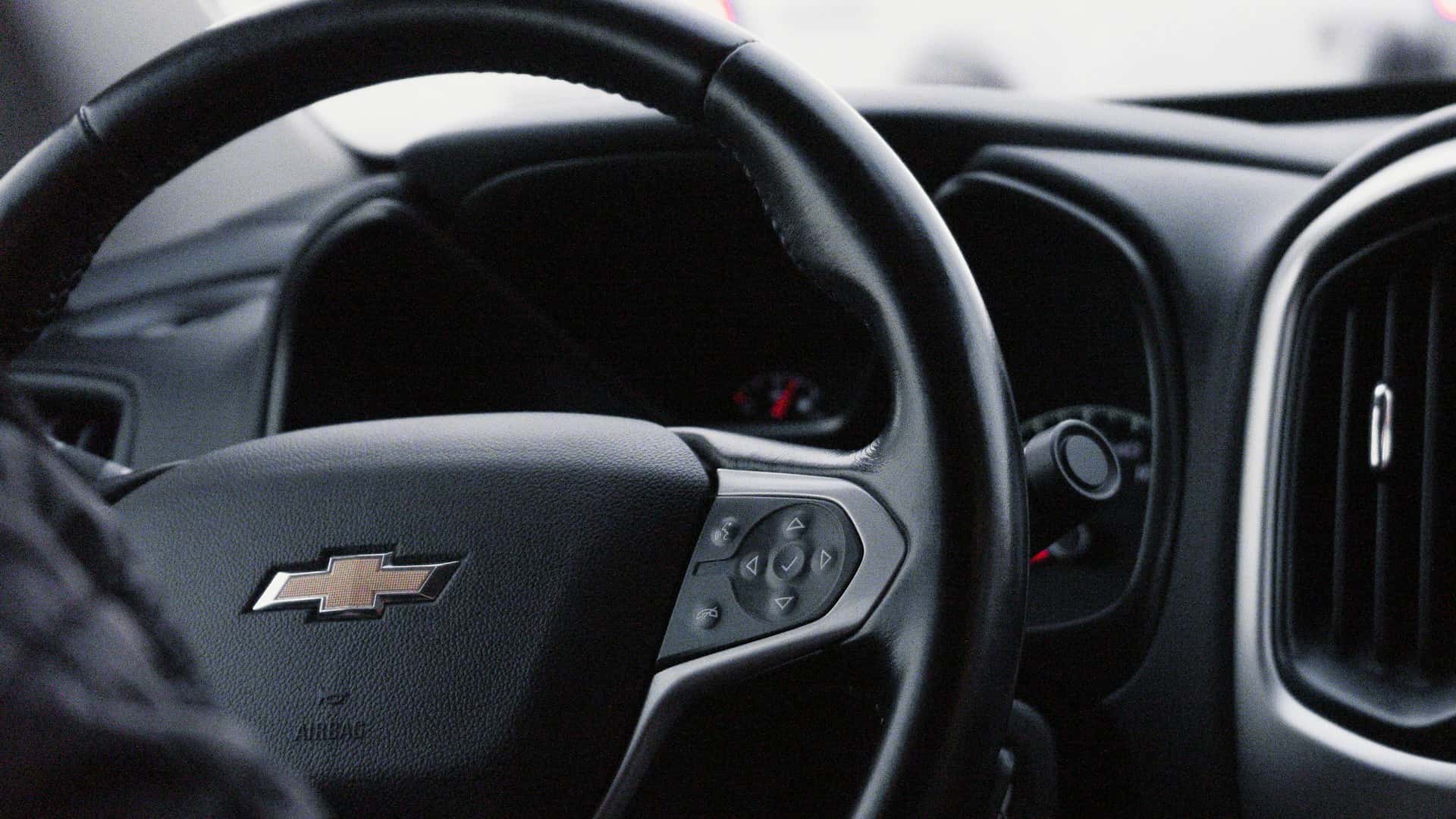
Photo by Cole Freeman on Unsplash

0 comment(s) so far on When to Change the Transmission Fluid on Your Chevy