


Why Did My Car Break Down?
Few things are more frustrating than being stranded on the side of the road with a car that won’t cooperate. A breakdown that felt sudden usually had weeks of warning signs building up quietly. At Jack Burford Chevrolet, we’ve been helping drivers in Richmond, Kentucky and the greater Lexington area stay on the road since 1964, and we see the same breakdown causes come through our service center again and again. Understanding them gives you a real advantage as an owner. If you’d rather get ahead of the problem now, you can schedule a service appointment before a small issue becomes a roadside emergency.
Common Reasons Cars Break Down
Car breakdowns rarely happen without a reason. Most trace back to a handful of well-known culprits: deferred maintenance, mechanical wear, or an undiagnosed electrical fault. The table below gives a quick overview of the most common causes, their warning signs, and how urgent each one is.
| Breakdown Cause | Common Warning Signs | Preventable with Maintenance? | Urgency Level |
|---|---|---|---|
| Dead Battery / Charging Failure | Slow crank, dim lights, clicking on start | Yes | High |
| Engine Overheating | Rising temp gauge, steam, coolant smell | Yes | Critical |
| Flat Tire / Blowout | Low pressure warning, vibration, pulling | Yes | High |
| Starter / Electrical Failure | No crank, blown fuses, corroded terminals | Partially | High |
| Transmission / Drivetrain Issues | Slipping gears, clunking, fluid leaks | Yes | High |
| Fuel System Problems | Stalling, hard start, rough idle | Yes | Moderate |
Dead Battery or Charging System Failure
A dead or failing battery is one of the leading reasons cars break down. Batteries wear out over time, especially when used for frequent short trips that don’t give the alternator enough time to recharge them. Leaving interior lights or accessories on overnight can drain even a healthy battery. Most batteries last three to five years, and we recommend having yours tested at every service visit.
The charging system, which includes the alternator and voltage regulator, matters just as much. When the alternator fails, the battery can’t stay charged, and the car will eventually stop running even if the battery itself is new. Regular battery and charging system checks are one of the simplest ways to avoid a breakdown.
Engine Overheating
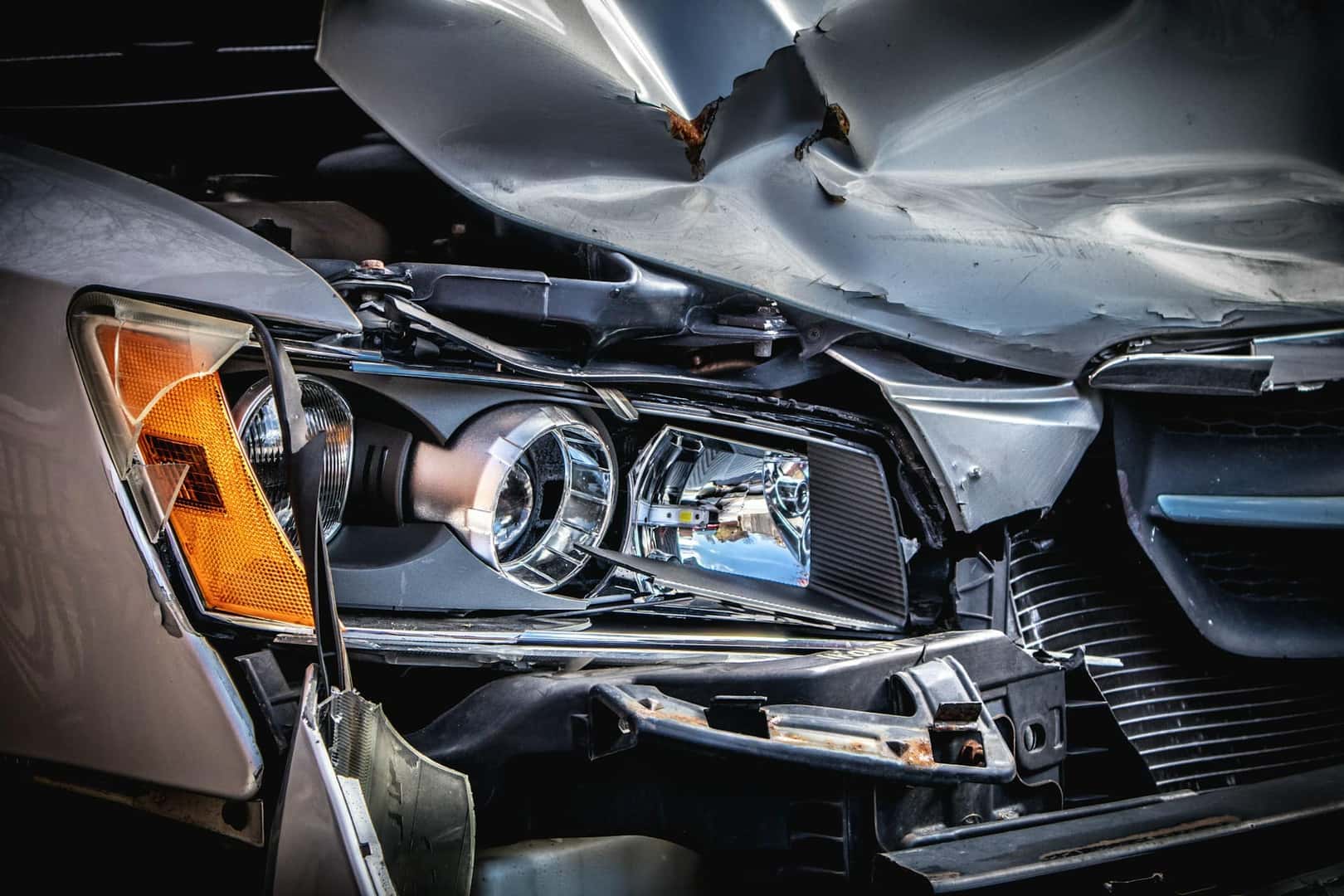
Overheating is a serious concern, especially during summer months or in heavy stop-and-go traffic. When coolant levels are low or the cooling system has a leak, engine temperature rises beyond safe limits. Left unchecked, this can cause lasting damage, including warped cylinder heads or a blown head gasket, both costly repairs.
If your temperature gauge climbs toward the red zone or a warning light comes on, pull over safely as soon as you can. Driving an overheating engine can turn a minor issue into a major one fast. Staying on top of coolant levels and having your cooling system inspected regularly goes a long way toward preventing this.
Flat Tire or Blowout
Flat tires are among the most common reasons a car breaks down on the road. Potholes, road debris, and gradual wear can all compromise tire integrity, and the roads around Madison County can be particularly rough in winter and early spring. A sudden blowout at highway speeds is especially dangerous, since it can affect your ability to steer and brake.
Checking tire pressure monthly and inspecting tread depth at every service visit reduces the risk significantly. Underinflated tires wear faster and are more susceptible to damage. Keeping a spare in good condition and knowing how to use it is also worthwhile preparation.
Starter and Electrical System Failures
When you turn the key or press the start button and nothing happens, a faulty starter motor is often the culprit. Starters wear down over time, especially in older vehicles. Beyond the starter, broader electrical problems, such as a blown fuse, failing ignition switch, or corroded wiring, can leave you with a car that simply won’t respond.
Electrical issues can be harder to diagnose without the right tools, which is why having our service center run diagnostics periodically makes a real difference. Many electrical failures give early warning signs, like slow cranking or occasional no-start events, well before they become a full breakdown.
Transmission and Drivetrain Problems
Transmission issues are among the more costly breakdown causes drivers face. Slipping gears and fluid leaks are signs that something isn’t right, and so are unusual whining or clunking sounds. The drivetrain, which transfers power from the engine to the wheels, is equally important. Worn CV joints or differential problems can put your car out of commission just as quickly.
Transmission fluid should be inspected and changed at manufacturer-recommended intervals. Getting symptoms assessed early is far cheaper than waiting until the damage spreads.
Fuel System Issues
Running out of fuel sounds obvious, but it happens more often than people expect, especially on long drives in unfamiliar areas. Beyond running low, problems like a failing fuel pump or clogged fuel filter can cause your engine to stall or refuse to start. Misfuelling, or putting the wrong type of fuel in the tank, is another source of breakdowns that can cause serious engine damage and should not be remedied by attempting to start or drive the vehicle.
Drivers with diesel-powered vehicles should also be aware of Diesel Particulate Filter (DPF) blockages. A clogged DPF restricts exhaust flow and can trigger warning lights or cause the engine to enter a reduced-power mode. This applies only to diesel engines and is not a concern for gasoline vehicles, which make up the majority of vehicles we service.
Warning Signs Your Car Is About to Break Down
Your car usually signals trouble before it breaks down completely. At our service center, we hear from drivers who noticed something “off” for weeks but waited to act. Here are the specific cues worth taking seriously:
- Dashboard lights, including the check engine light, battery indicator, oil pressure warning, or temperature warning, should never be ignored
- A grinding noise when braking typically points to worn brake pads or damaged rotors
- A knocking sound from the engine can indicate low oil pressure or internal wear
- Squealing or chirping under the hood often signals a worn serpentine belt
- Sluggish acceleration or hesitation when starting suggests fuel system or electrical issues
- A pulling sensation to one side while driving may point to tire, brake, or suspension problems
- Flickering dashboard lights or dimming headlights often indicate a charging system issue
If any of these sound familiar, visiting our service center sooner rather than later is the right call. The earlier you address these signals, the less likely you are to end up stranded.
What to Do Immediately When Your Car Breaks Down
When your car is breaking down or has already stopped, staying calm and prioritizing safety makes all the difference.
Move to Safety and Signal Other Drivers
The first priority is getting out of traffic. If you feel the car losing power or a tire blows, steer gradually toward the right shoulder or the nearest safe area. Avoid braking sharply, especially at higher speeds. Once stopped, turn on your hazard lights immediately to alert other drivers.
If you have warning triangles or road flares, place them a safe distance behind your vehicle to increase visibility. On a high-speed road, staying inside the vehicle is usually safer than standing outside until help arrives.
Assess the Situation Before Calling for Help
Once you’re safely stopped, take a moment to assess what happened. Check whether there’s smoke coming from under the hood, fluid pooling underneath the car, or anything unusual about how the steering or brakes felt before the stop. Those details are valuable when you speak to a mechanic.
For something straightforward like a flat tire, and if you’re safely off the road and know how to change one, you may be able to handle it yourself. For anything involving warning lights, unusual sounds, overheating, or anything you can’t clearly identify, calling for professional help is the safer choice.
Who to Call When Your Car Breaks Down on the Road
Knowing who to call can save significant time and stress. If you have a roadside assistance plan through your insurance or automaker, that should be your first call. Have their number saved in your phone ahead of time.
If you don’t have roadside assistance coverage, a local tow service can transport your car to a trusted repair shop. When your car breaks down near Richmond or anywhere in the Lexington area, our service team is ready to help. You can reach us directly at (859) 623-3350. Having a go-to service contact you already trust removes a lot of the uncertainty from an already stressful situation.
How Routine Maintenance Keeps Your Car Running Reliably
The most effective defense against breakdowns is consistent, proactive maintenance. Regular servicing lets our trained technicians spot wear or developing issues before they leave you stranded. Catching a weak battery, low brake fluid, or a fraying belt during a routine visit costs far less than dealing with the resulting breakdown.
Engine oil, coolant, and transmission fluid should all be checked and topped off or replaced on schedule. Your brakes and tires each have their own service intervals, and so does your electrical system; keeping up with all of them significantly reduces the odds of an unexpected breakdown. Keeping a maintenance record is a practical habit that helps you stay on schedule and gives useful context if you ever need to describe a problem to a technician.
Chevy Repair and Mobile Maintenance Near Lexington at Jack Burford Chevrolet
Service at Our Richmond Location
For Chevy owners in Richmond, Lexington, Winchester, Berea, and the surrounding communities, Jack Burford Chevrolet offers the kind of service that comes from decades of experience with the brand. We’ve been family-owned since 1964, and our service team has built up deep familiarity with Chevrolet vehicles over all those years.
Located at 819 Eastern Bypass in Richmond, KY, our facility includes a 12-bay service area equipped to handle everything from routine oil changes to complex diagnostics and repairs. We’re open Monday through Friday, 7:30 AM to 5:30 PM. You can contact us through our website or reach us by phone at (859) 623-3350.
MobileService+ at Your Home or Workplace
Can’t make it to our shop? We also offer MobileService+, which brings a factory-trained mechanic directly to your home or workplace for routine maintenance and diagnostics. It’s a convenient option for busy drivers who want to stay on top of their vehicle’s health without rearranging their schedule.
Schedule Your Next Service Appointment
Whether your car just broke down and needs immediate attention or you’re simply due for a checkup, getting your Chevrolet serviced by people who specialize in the brand makes a real difference. Schedule a service appointment online. Proactive maintenance is the most reliable way to stay on the road and avoid being unexpectedly stranded.
Photo by Clark Van Der Beken on Unsplash

0 comment(s) so far on Why Did My Car Break Down?