


Why Is My Engine Overheating?
Signs of engine overheating can make your stomach drop, especially in Richmond, where humidity is high and summer temps can push 95 degrees. However, you can often prevent it if you know what to look for. Catching the warning signs early and knowing what to do can help you avoid spending thousands on repairs or getting stuck on the back roads between Richmond and Lexington. Our team at Jack Burford Chevrolet has put together a guide to help you prevent your engine from overheating.
How To Tell if Your Engine Is Overheating: Warning Signs
When the temperature gauge on your dashboard starts climbing toward the H or creeps into the red zone, it’s time to pay attention. Sometimes, the gauge may jump between normal and hot readings, which usually means your thermostat is going bad or you’re running low on coolant.
Steam coming from under your hood is a dead giveaway of your car engine overheating. It typically starts as wispy white vapor but can quickly turn into thick clouds. You’ll probably smell it before you see it, especially with your windows down on those warm Richmond evenings. Sweet, syrupy smells mean that coolant is leaking onto hot parts. Sharp, burning odors usually indicate that oil or rubber is overheating.
You might notice your car acting up, such as suddenly losing power while driving up hilly roads or rough idling. You should also listen for any unusual sounds coming from under the hood, such as knocking.
What To Do When Your Car Engine Overheats
If you notice any signs of an overheating engine, don’t wait around to see what happens next. First, if your air conditioning is on, turn it off, as it makes your engine work harder. Then, crank your heater to full blast with the fan on high. This can help pull hot air away from the engine into your car.
Park safely on the side of the road. Shut off your engine and put on your hazard lights to help other drivers see you. Wait for at least 15 to 30 minutes before popping the hood. If you smell burning rubber while you wait, there might be other issues, such as brake problems or electrical system failures.
Don’t try to start your engine until it’s completely cooled down to avoid causing even more issues. Once the engine cools down, you can check the coolant in the overflow tank. And remember not to touch the radiator cap, as the steam that comes out can potentially burn you.
Common Causes of Engine Overheating and How To Fix Them
Most of the time, coolant problems are the main cause of engine overheating. Either you don’t have enough coolant or the coolant is contaminated. Your cooling system needs the perfect mix of coolant and water to soak up heat and dissipate it. When levels drop due to leaks or improper maintenance, your engine can’t stay cool. Old coolant turns brown and rusty, losing its ability to transfer heat properly. Check your coolant monthly; it only takes two minutes and could save you thousands.
Leaks in your cooling system are not uncommon, and your radiator is prone to wear and tear. Hoses and gaskets wear out, too. If your water pump fails, you may find coolant puddles under your car, see the temperature gauge climb, and hear grinding or whining noises. A water pump typically lasts between 60,000 and 100,000 miles, depending on how you drive. Like oil leaks, coolant leaks need prompt attention before they become bigger headaches.
Sometimes, your thermostat gets stuck closed, trapping coolant in the engine where it can’t get to the radiator. Even with plenty of coolant, your engine will overheat fast. Radiators get clogged with dirt, bugs, and all sorts of debris, especially if you drive Kentucky’s back roads. Heavy towing, sitting in Richmond traffic, or driving on really hot days can push even healthy cooling systems past their breaking point. That’s why staying on top of maintenance and catching problems early matters so much.
Expert Engine Repair Services in Richmond, Kentucky
Getting a proper engine diagnosis can catch issues before your engine takes serious damage, potentially saving you thousands in major repairs. Modern diagnostic equipment can find failing parts, spot internal leaks, and detect blockages you’d never see by just looking around.
There’s real peace of mind knowing your cooling system has been properly checked and repaired by people who understand Kentucky driving conditions.
Schedule Service at Jack Burford Chevrolet
Summer heat, winter cold snaps, and mountain driving all take a toll on cooling systems. Don’t let an overheating engine turn into a financial disaster or leave you stranded on a back road. Our techs at Jack Burford Chevrolet have the right tools, know-how, and genuine parts to fix cooling system problems at our service center or through mobile service that travels directly to your home. Whether you’re dealing with an overheating emergency right now or want to prevent future problems, professional service is your smartest move. Get in touch with us today to schedule a cooling system check and protect your car from the costly damage of engine overheating.
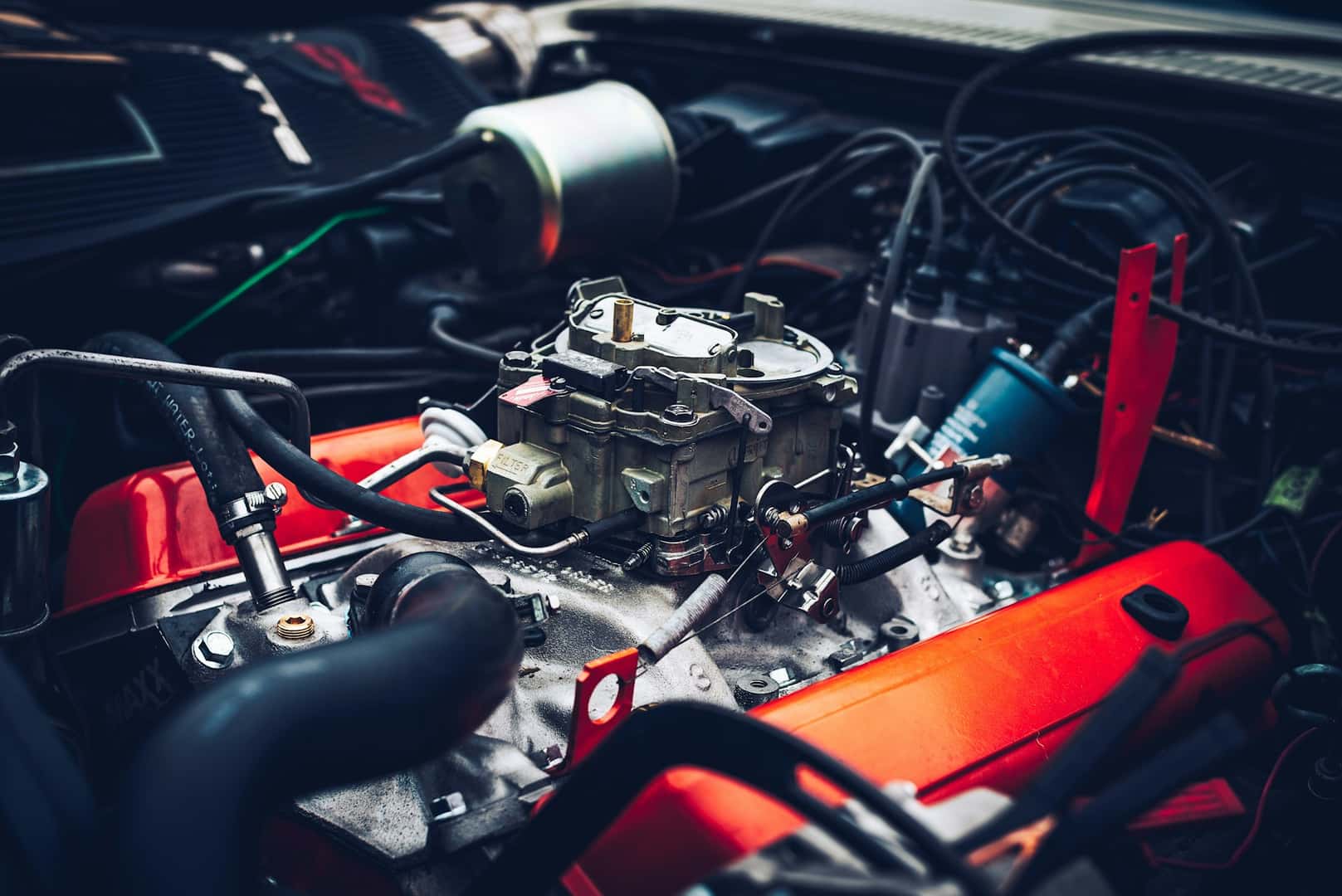
a close up of the engine of a car by Alex Marc Wagner is licensed with Unsplash License

0 comment(s) so far on Why Is My Engine Overheating?